Urban Commuting Revolution

Amit Sharma
| 24-12-2025
 · Automobile team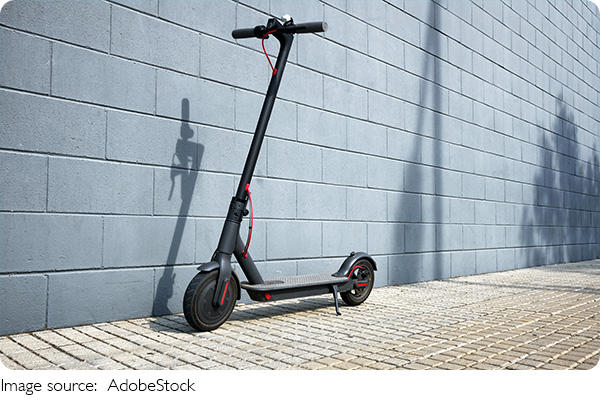
The morning rush hour is transforming. Instead of sitting in bumper-to-bumper traffic, commuters in bustling cities are hopping on compact electric scooters or bicycles, weaving through streets with agility and ease.
This shift isn't just about convenience—it's a glimpse into a future where urban mobility is cleaner, faster, and more flexible. Let's explore this urban mobility.
Riding Through Global Cities
Micro-mobility solutions are no longer niche. Cities around the world have embraced small electric scooters and bikes to tackle congestion and pollution.
New York, USA
Bike lanes and e-scooter trials are spreading across Manhattan and Brooklyn. Shared scooter programs operate under strict speed limits and parking rules, ensuring safety in high-density areas.
Paris, France
Paris has integrated electric bikes with the metro system. Citizens enjoy seamless "last-mile" solutions, while regulations mandate helmets and curb uncontrolled scooter parking.
Berlin, Germany
Berlin's approach combines e-scooter sharing with strict safety checks. Speed caps, mandatory lights create a responsible riding culture.
London, UK
London promotes e-bikes and scooters for short trips. Rental platforms collaborate with local councils to regulate usage, ensuring scooters stay on designated paths and avoid sidewalks.
Tokyo, Japan
Tokyo emphasizes disciplined riding. Pedestrian-friendly rules, parking zones, and strict licensing for electric scooters maintain harmony on crowded streets.
Safety Rules Every Rider Should Follow
Navigating city streets on small vehicles is fun, but safety can't be ignored.
Wear Protective Gear
Helmets, reflective clothing, and gloves reduce the risk of injuries. Even for short trips, visibility is crucial.
Follow Traffic Laws
Ride on designated lanes, respect signals, and avoid sidewalks where prohibited. Ignoring rules risks fines and accidents.
Mind Your Speed
Urban environments are unpredictable. Slowing down at intersections, near pedestrians, and on wet surfaces ensures safer rides.
Maintenance Tips for Longevity
Keeping e-scooters and bicycles in top shape prolongs their life and prevents breakdowns during commutes.
Check Tires Regularly
Inflated, treaded tires improve stability and reduce the risk of skidding.
Inspect Brakes
Responsive brakes are essential for city riding, especially in dense traffic. Test them frequently.
Battery and Electronics Care
For e-scooters and e-bikes, avoid full discharge every time. Charge during moderate intervals and store devices away from extreme temperatures.
Sharing Models Around the World
City authorities and private companies are experimenting with various sharing programs to meet commuter needs.
Docked vs. Dockless Systems
Docked stations offer reliability but require more infrastructure. Dockless scooters provide flexibility but need strict rules to prevent clutter.
Subscription Plans
Monthly memberships or pay-per-use models make access affordable, encouraging residents to opt for micro-mobility over personal cars.
Integration with Public Transit
Combining scooters and bikes with buses, subways, and trains creates seamless multi-modal commutes, reducing traffic congestion and travel time.
The Future of Urban Micro-Mobility
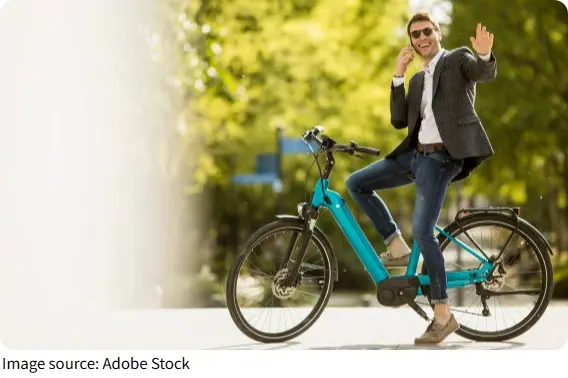
Electric scooters and bicycles are more than just trendy gadgets—they represent a shift toward smarter, eco-friendly cities. With thoughtful regulations, rider education, and maintenance, these compact vehicles can complement public transit, reduce carbon footprints, and make commuting faster and more enjoyable.
Picture a city where traffic jams are rare, air is cleaner, and the daily commute is not a stressful crawl but a dynamic, flexible journey. That vision is unfolding now, one e-scooter and bike lane at a time. By embracing safety, sustainability, and technology, urban mobility is entering a new era—one that is nimble, responsible, and surprisingly fun.