Tire Care for Safer Driving

Yuna
| 19-12-2025
 · Automobile team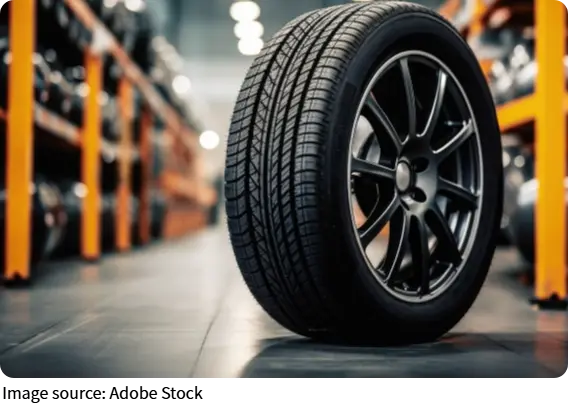
Your car's tires are more than just rubber on the road—they're the only contact between you and hundreds of kilometers of asphalt. Yet, so many drivers neglect them until a problem appears.
Paying attention to tire health not only prevents accidents but also improves fuel efficiency and extends tire life.
Monitor Tire Pressure Regularly
Maintaining proper tire pressure is a simple yet critical safety measure.
Use a Reliable Gauge
Check tire pressure at least once a month and before long trips. A digital gauge ensures accuracy compared to the cheap, built-in gauges at gas stations.
Adjust for Temperature Changes
Tire pressure drops in cold weather and rises in heat. Make seasonal adjustments to prevent underinflation or overinflation.
Follow Manufacturer Recommendations
Your vehicle manual lists optimal PSI. Overinflated tires may wear unevenly, while underinflation can increase fuel consumption.
Inspect Tread Depth
Tread is your grip on the road—without it, braking and cornering are compromised.
Use the Penny Test
Insert a penny into the tire groove. If Lincoln's head is visible, it's time to replace the tire.
Check for Uneven Wear
Look for bald spots or more wear on one side. Uneven wear may indicate alignment issues or suspension problems.
Rotate Tires Regularly
Rotating tires every 8,000–12,000 kilometers ensures even wear and prolongs life.
Examine for Physical Damage
Tires face hazards like nails, potholes, and curbs daily. Early detection prevents disasters.
Look for Cracks and Bulges
Sidewall cracks or bubbles can indicate internal damage. Replace tires immediately if any are found.
Remove Embedded Objects
Nails, glass, or stones can slowly puncture a tire. Inspect regularly and remove debris.
Check Valve Stems
Valve leaks are a common source of slow deflation. Replace aging or cracked stems.
Maintain Proper Alignment and Balance
Tire longevity isn't just about the rubber; suspension and balance matter too.
Wheel Alignment
Misaligned wheels cause uneven wear and affect handling. Check alignment at least once a year.
Wheel Balancing
Imbalanced tires can cause vibrations, uneven wear, and reduce fuel efficiency. Balance tires whenever they're replaced or rotated.
Suspension Check
Worn shocks or struts accelerate tire wear. Regularly inspect your suspension system.
Additional Tips for Longevity
Small habits can make a big difference in tire life.
Avoid Harsh Driving
Rapid acceleration, sharp turns, and sudden braking stress tires. Smooth driving preserves tread and saves fuel.
Store Tires Properly
If you switch between summer and winter tires, store off-season tires in a cool, dry place away from sunlight.
Mind Load Limits
Exceeding the vehicle's load capacity strains tires and increases the risk of blowouts.

Reflections on Tire Safety
Tires may seem mundane, but they're central to your safety and vehicle efficiency. By regularly checking pressure, tread, and physical condition, and by keeping alignment and balance in check, drivers can prevent emergencies before they occur.
Imagine the confidence of cruising down a highway knowing every tire is in peak condition, reducing stress, fuel costs, and the risk of accidents. Attentive tire care transforms driving from a routine chore into a safer, smarter, and more enjoyable experience.