When Cars Tailgate You

Darius
| 24-12-2025
 · Automobile team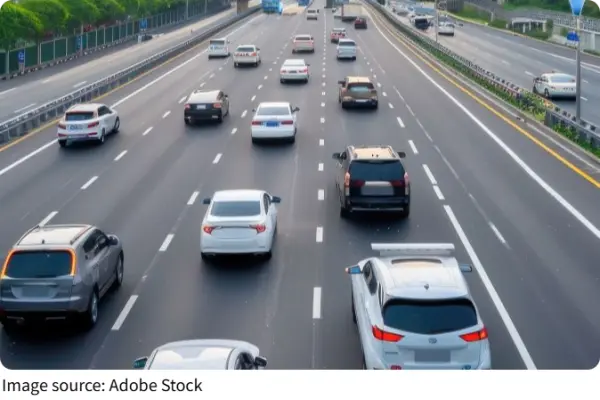
You glance in the rearview mirror and see headlights uncomfortably close. Your pulse quickens, and you can't help but grip the wheel tighter. A tailgater is right behind you, and suddenly every move feels like a test.
Do you speed up, brake, or ignore them? This is one of the most stressful driving situations, but with the right mindset and techniques, you can keep control and stay safe.
Why Tailgating Is So Dangerous
Tailgating shortens reaction time. If you brake suddenly, the driver behind may not have enough space to stop, leading to a rear-end collision. Beyond safety risks, tailgating also increases stress for both drivers, making rash decisions more likely. Understanding the danger helps you focus on what matters most: staying calm and creating space.
Give Yourself Extra Room Ahead
The easiest way to protect yourself is by increasing the distance between your car and the one in front. If the driver behind is too close, your margin of safety shifts forward. By leaving extra space ahead, you gain time to brake gently instead of slamming on the brakes. This reduces the chance of a chain-reaction crash. Think of it as building a cushion, not for the tailgater, but for yourself.
Stay Smooth and Predictable
Erratic moves escalate the risk. Sudden lane changes, harsh braking, or speeding up and then slowing down only confuse the driver behind you. Instead, focus on smooth steering, gradual acceleration, and steady braking. A predictable pattern gives the tailgater more time to react and lowers tension for both of you.
Use Signals Early
Tailgaters often react late, so giving them extra warning is crucial. Signal turns and lane changes earlier than usual. Tapping the brake pedal lightly before slowing down can flash your brake lights and alert the driver without jarring your car. These small gestures buy you extra seconds of safety.
Change Lanes When Safe
If possible, let the tailgater pass. On highways, move to a slower lane when it's safe. On single-lane roads, wait for a designated pull-off spot and wave them by. It may feel unfair to yield to incorrect behavior, but it's better than staying in a stressful and unsafe situation.
Don't Engage or Escalate
It's tempting to “teach them a lesson” with a brake check or angry gesture, but this only increases the danger. Aggressive drivers often feed on confrontation. Staying calm protects you. Keep your focus on the road, not the driver behind you. If the tailgater is truly reckless, note their license plate and report them later rather than risking a road-rage encounter.
Three Quick Strategies That Work
Create space ahead: Leave more room in front to brake gently.
Signal early: Give tailgaters extra warning of your moves.
Exit gracefully: Change lanes or pull over to let them pass.
When Things Feel Unsafe
If the tailgater follows you aggressively no matter what, don't head straight home—you don't want them knowing where you live. Instead, drive toward a public area like a gas station or police station. Most tailgaters will move on, but having a plan reduces panic.
The Bigger Picture
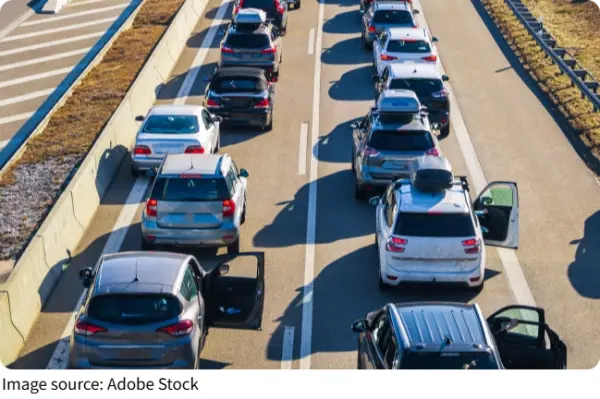
Dealing with tailgaters is less about them and more about you. By adjusting your driving, you regain control of the situation. You'll feel less stress, have more time to react, and enjoy greater confidence behind the wheel.
The next time you find yourself being followed too closely, remember: you can't control the tailgater, but you can control how you respond. Stay calm, stay safe, and let the reckless driver be someone else's problem, not yours.