Rovinj, Little Big Wonder

Arjun Mehta
| 20-01-2026
 · Travel team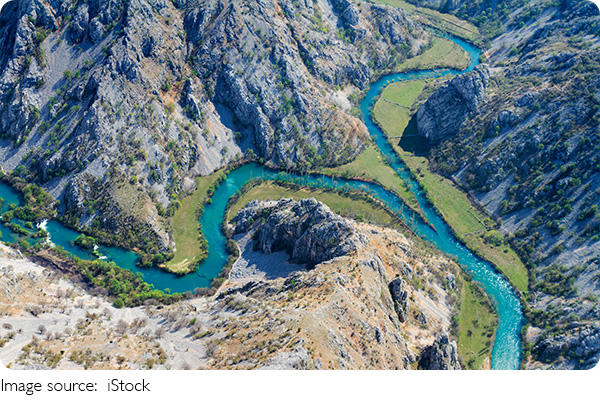
Friends, picture a pale-limestone peninsula wrapped in Adriatic blue, where cobbled alleys climb to a landmark bell tower and fishermen untie boats at dawn. That’s Rovinj, in Croatia. Compact, walkable, and endlessly photogenic, it delivers historic nooks, natural escapes, and easy day trips across Istria.
Use this guide to hit the highlights—with times, costs, and savvy tips—so you spend more minutes marveling and fewer minutes planning.
Old Town
Rovinj’s medieval core is a car-free maze. Start at Trg Marsala Tita (main square) and wander uphill on stone steps polished by centuries. Getting “lost” is part of the charm—alleys spill onto pocket terraces and wave-lapped edges. Wear grippy shoes; stones can be slick after sea spray. Cafés around the square make good pit stops (espresso ~$2–$3).
Hilltop Tower
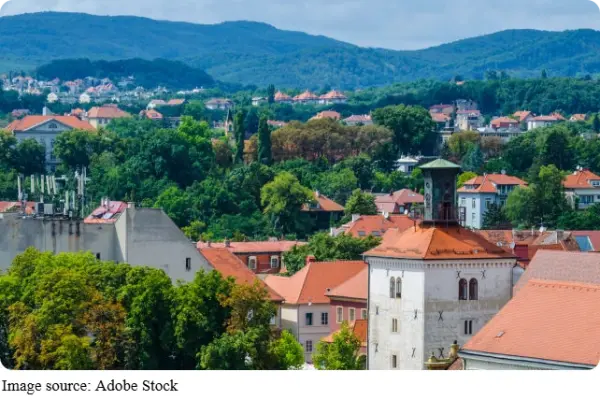
The skyline’s star is a 17th-century bell tower topping the peninsula’s highest point. Climb the interior wooden stairs (typically 9:00–18:00; ~$4–$6) for a 360° panorama—limestone roofs, island-dotted seas, and, on clear days, alpine ridges far to the north. Early morning offers softer light and fewer people; bring small bills for the cashier.
Lim Fjord
Ten kilometers of emerald water slice inland between forested cliffs. Go by boat (90-minute cruises ~$20–$30 from Rovinj’s waterfront, frequent in summer) or drive 20 minutes to cliff viewpoints and forest trails. Cyclists love the graded paths; pack water and sun protection. Waterside restaurants at the mouth serve regional dishes and simple pastas with herbs and olive oil.
Harbor Walk
For postcard photos, circle the working harbor just before sunset. You’ll frame pastel facades, bobbing boats, and the hilltop tower in one sweep. Stalls sell local crafts; short harbor rides on small boats run ~$8–$12 per person (20–30 minutes). Mornings reveal daily life—net-mending, gear loading, and quiet quays.
Golden Cape
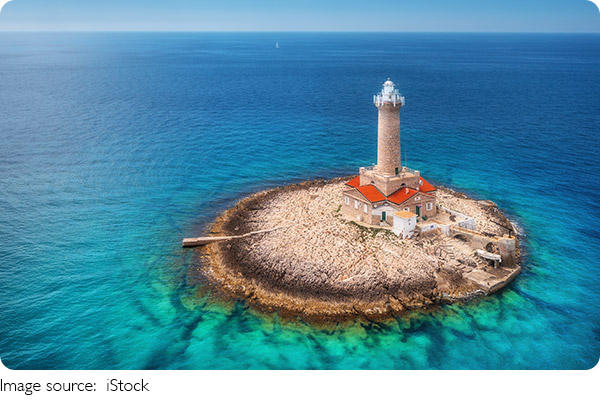
South of town (15–25 minutes on foot or a $5 taxi), Punta Corrente—also called Golden Cape—is a breezy peninsula planted with pines and cypresses. Flat seaside paths suit joggers and families; rocky coves offer shaded swims. No entry fee. Bring water shoes for easy dips off the smooth limestone shelves.
Monkodonja
This Bronze Age hillfort (≈10 minutes by car) dates to around 1800 BC. Low stone walls outline streets and terraces; information panels explain the site (free access; daylight hours). Sunset is spectacular, with islands glowing offshore. Combine with a countryside loop through orchards and small studios selling ceramics.
Balbi Arch
At the threshold of Grisia Street, this 17th-century gateway marks the old town entrance. Study the stonework details as you pass through, then continue up Grisia—Rovinj’s most famous art lane—where outdoor galleries blossom in summer. Prices range from $25 prints to original canvases in the hundreds.
City Museum
Housed in a baroque palace, the heritage museum layers contemporary Istrian art over maritime and town-history exhibits (Tue–Sun, ~10:00–18:00; $5–$7). The ceilings and staircases are a bonus. Plan 45–60 minutes. Nearby gelaterias make an easy bribe for kids post-visit.
Clock Tower
On the main square, a stout clock tower—once part of the town defenses—anchors the scene. Snap the façade, then detour to the waterfront for a breezy loop. If you need cash, ATMs line the square; expect some to charge a ~$5 service fee—compare before withdrawing.
Best Beaches
Rovinj’s shores are mostly rock shelves and small pebble coves. Monte (by the old town) has steps into clear water and dramatic stone backdrops. Lone Bay (edge of Golden Cape) offers gentle entry and seasonal loungers ($8–$12/day). Go early in July–August; bring reef-safe sunscreen and water shoes.
Istrian Flavors
Order "fuži", the region’s signature rolled pasta, with slow-simmered sauces and a drizzle of olive oil. Add a side of grilled vegetables and finish with fritters dipped in local honey. Street snacks near the harbor run $4–$7; sit-down mains in the old town average $12–$18. Many spots add a small cover charge ($1–$2) for bread.
Dvigrad Ruins
A 20-minute drive leads to a ghost town abandoned in the 18th century. Wander the gate, lanes, and roofless homes (free; uneven paths). Morning light helps with photography, and it’s cooler. Pair with Lim Fjord in one loop to maximize your outing.
Pula Daytrip
One hour south, Pula’s Roman arena is a must. Entry typically $8–$12; allow 60–90 minutes. Around the forum stand ancient gates and a well-preserved temple. Buses run regularly from Rovinj ($8–$12 one way; 45–70 minutes); drivers can park in signed lots near the center ($1–$2/hour).
Brijuni Isles
From nearby Fažana (35–40 minutes by car/bus), ferries shuttle to Veli Brijun—gateway to a national park of pine woods, ancient villa sites, and coastal paths. Standard visit (ferry + guided tour) often totals $25–$35; book morning options in high season. Bring a hat and refillable bottle; rentals for bikes and golf carts are available.
Dive Sites
Calm seas and high visibility make Rovinj a solid base for diving. Centers offer try-dives (~$70–$110) and certified trips to reefs and historic wrecks. Expect full-day charters with two dives to run $120–$170 including tanks and weights. Always bring certification cards and confirm medical requirements in advance.
Practical Tips
Stay in the old town for atmosphere (guesthouses from $80–$140 in summer) or near Golden Cape for easy swims (resorts $150+). Parking is limited within the historic core—use paid lots outside and walk in (10–15 minutes). Spring and September bring mild weather, open attractions, and lighter crowds.
Conclusion
Rovinj blends stone-paved history with salt-air escapes—sunset harbor strolls, forested capes, ancient hillforts, and easy day trips. Which path calls first: a tower climb, a fjord cruise, or a ruin at golden hour?