Organic Farming

James Carter
| 18-12-2025
 · Cate team
You've probably seen the higher price tags on organic produce at your local grocery store and wondered if the farmers behind those labels are really making more money.
The story of organic farming is often told in terms of health and sustainability, but its economic side is just as important. For farmers weighing whether to switch to organic, understanding the costs, risks, and rewards is critical.
1. Higher Prices, Higher Costs
Organic farmers can often charge a premium for their produce, sometimes 20–50% more than conventional crops. This price bump reflects the extra work involved: no synthetic fertilizers, no chemical pesticides, and more labor-intensive practices. But higher prices don't automatically mean higher profits. Certification fees, longer crop rotations, and increased manual labor all add to the bottom line. A grower who plants organic tomatoes may spend more time weeding by hand and more money on natural pest control.
2. Certification and Transition Period
Switching to organic isn't like flipping a switch. Farmers must go through a transition period—often three years—before their land and crops can be certified. During that time, they must follow organic standards but can't yet sell at organic prices. This creates a tough financial gap. Planning ahead with savings or supplemental income during the transition is crucial to avoid cash flow issues. Some farmers ease the shift by converting only part of their acreage at a time to spread the risk.
3. Yield Differences and Risk Management
Organic crops may produce lower yields than conventional ones, especially in the first few years. This can squeeze margins, especially for commodity crops where price premiums are small. However, diversified organic farms often plant a variety of fruits, vegetables, and herbs, which spreads risk and provides multiple income streams. Adding agritourism, farm markets, or direct-to-consumer sales can also help offset lower yields.
4. Building Direct Relationships with Buyers
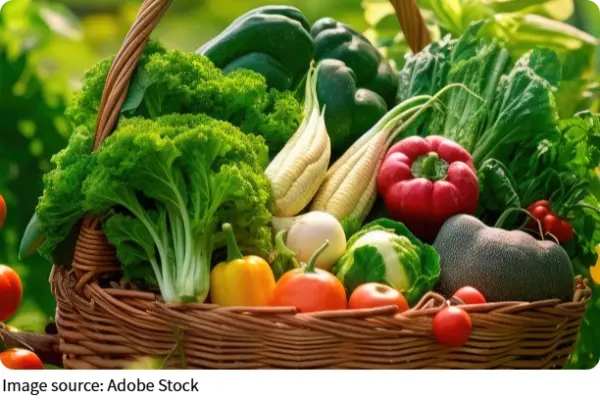
One of the strongest economic advantages of organic farming comes from cutting out middlemen. Farmers who sell directly to consumers through farmers' markets, subscription boxes, or restaurants keep more of the final sale price. For example, a grower supplying organic salad greens to local cafés may earn twice what they'd make selling wholesale. These relationships also build customer loyalty and give farmers more control over pricing.
5. Long-Term Soil Health and Savings
Organic practices, such as composting and cover cropping, build soil fertility over time. Healthy soils hold water better, resist erosion, and need fewer inputs to remain productive. Although the benefits may take years to show, they reduce costs in the long run and can increase resilience to drought or pests. Farmers who stick with organic often see improved yields after the initial adjustment period, along with steadier production even under stressful weather conditions.
6. Access to Grants and Premium Markets
Many regions offer grants, low-interest loans, or cost-sharing programs to support organic transitions. These incentives can offset certification costs, equipment upgrades, or training. At the same time, premium markets such as specialty grocery stores, high-end restaurants, and export markets increasingly demand organic produce. Tapping into these outlets can significantly boost income beyond what traditional markets offer.
7. Balancing Values and Profit
Organic farming isn't just a business decision for many growers—it's also a lifestyle and a set of values. Farmers who care deeply about soil health, biodiversity, and chemical-free food may accept lower short-term profits for long-term benefits. However, even mission-driven farmers need to keep a close eye on their books. Smart planning, efficient production methods, and strong marketing can make organic not only environmentally friendly but financially viable.
Ultimately, the economics of organic farming aren't one-size-fits-all. A small vegetable grower selling directly to customers may find organic highly profitable, while a large grain farmer selling into bulk markets may struggle to make it work. The key lies in understanding your costs, your market, and your risk tolerance.
For farmers considering the switch, running detailed budgets, visiting successful organic operations, and talking with extension agents can make all the difference. The decision to go organic is as much about strategy as it is about soil. When done thoughtfully, it can bring not only better soil, healthier ecosystems, and stronger community ties but also a solid and sustainable bottom line.