Food Apps and Restaurants

Pardeep Singh
| 17-12-2025
 · Cate team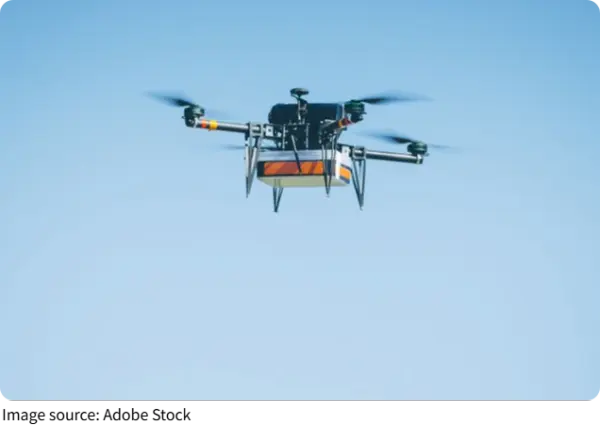
A small bistro once buzzing with regulars now sees more riders than diners. Piles of branded delivery bags wait by the counter while cooks work at full speed, preparing meals for customers they'll never meet.
Food delivery apps have transformed how people eat—and how restaurants survive. They offer convenience for customers but come with new challenges for owners trying to balance costs, quality, and customer loyalty.
From Foot Traffic to App Orders
Many restaurants have watched their customer base shift from in-house diners to app-based orders. Apps make it easy for people to browse menus, compare prices, and order without picking up the phone. For small eateries, this exposure can be a lifeline, especially when walk-in traffic slows during bad weather or seasonal lulls. Yet the shift also means restaurants may lose direct contact with their guests, making it harder to build relationships and gather feedback.
1. Commission Fees and Profit Margins
One of the biggest challenges is the commission fee apps charge per order. Rates can range from 15% to more than 30%, eating into profits that are already slim in the restaurant industry. A $20 order might leave a restaurant with only $14 or less after fees. For high-volume chains, this can be offset by scale, but for independent spots, it's a tough squeeze. Some restaurants raise menu prices on apps to cover costs, risking customer backlash, while others create special in-house promotions to encourage direct ordering.
2. Operational Changes in the Kitchen
Food delivery apps change not only the revenue model but also the rhythm of the kitchen. Staff must juggle dine-in and delivery orders at the same time. Packaging becomes a major cost and operational concern—food must travel well, stay hot or cold, and look appealing upon arrival. Some restaurants have even redesigned their menus, removing items that don't survive a 20-minute ride or adding new “travel-friendly” dishes.
3. Ghost Kitchens and Virtual Brands
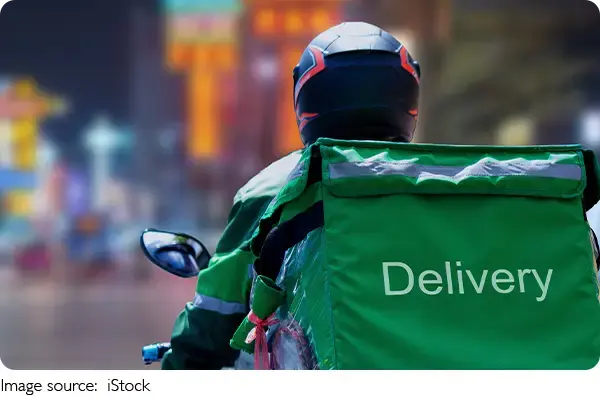
Delivery platforms have fueled the rise of ghost kitchens—facilities designed solely to cook food for delivery without a physical dining space. These kitchens cut rent and front-of-house costs, allowing operators to run multiple “virtual brands” from one location. While this model lowers overhead, it can intensify competition for traditional restaurants that rely on foot traffic and ambiance. Customers may not realize the “new burger joint” on their app is actually coming from a shared kitchen down the street.
4. Customer Expectations and Ratings
Apps give diners more power to rate and review restaurants instantly. A single bad review—sometimes caused by delivery delays outside a restaurant's control—can impact sales. This pressures restaurants to maintain not just food quality but also speed and packaging consistency. Some owners invest in dedicated staff to handle app orders, while others negotiate directly with platforms for better delivery times or driver training.
5. Strategies to Stay Profitable
Restaurants are experimenting with ways to make food apps work for them rather than against them:
- Encouraging direct orders through their own websites or phone lines with special discounts.
- Offering exclusive menu items for in-house dining to attract foot traffic.
- Partnering with multiple apps to diversify exposure and avoid reliance on one platform.
- Optimizing menus for delivery—simplifying choices and focusing on items that travel well.
By using these tactics, restaurants can protect their margins and keep control over their brand experience.
The Upside of Technology
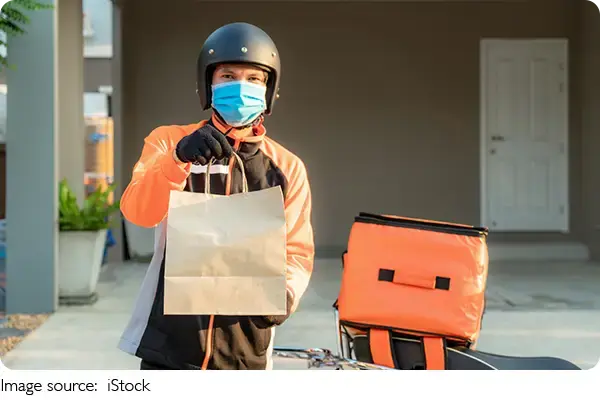
Despite the hurdles, food delivery apps also bring opportunities. They allow restaurants to reach customers far beyond their immediate neighborhood. Data from apps can reveal popular dishes, peak ordering times, and customer preferences, helping owners fine-tune menus and marketing. For some, the increased volume from delivery can outweigh the costs, especially when paired with smart operations.
Looking Forward
Food delivery apps aren't going away. As technology advances, we'll see even more automation, from AI-powered demand forecasting to driverless deliveries. For restaurants, the challenge is staying flexible—embracing the visibility these platforms offer while finding creative ways to maintain profit and preserve the personal touch that keeps customers loyal.
The rise of delivery apps has redefined the restaurant experience for both owners and diners. It's a balancing act between embracing innovation and protecting identity. Those who adapt thoughtfully may discover new ways to thrive, creating a future with less stress, better reach, and deeper customer loyalty than ever before.