Small vs. Industrial Farms

Lucas Schneider
| 18-12-2025
 · Cate team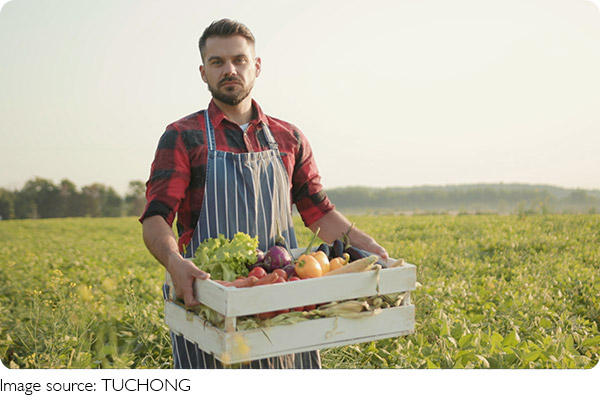
On a winding country road, you might pass a family-run farm stand selling fresh vegetables, then drive another hour and see endless rows of crops managed by giant machines.
Both scenes are part of the same food system but have very different economic footprints. Understanding how small-scale and industrial farming shape local and national economies can help us see where our food dollars really go.
Different Scales, Different Goals
Small-scale farms often focus on diversity and quality. They may grow a mix of crops, sell directly to consumers at markets, and rely on family labor. Industrial farms, by contrast, aim for high efficiency and large output. They use specialized equipment, streamlined logistics, and bulk contracts with retailers or processors. These differences set the stage for distinct economic effects on communities and supply chains.
1. Local Money Circulation
One key impact of small-scale farming is how it keeps money local. When customers buy directly from farmers, a larger share of each dollar stays within the community. The farmer then spends that income on local services—equipment repair, feed, or even local restaurants—creating a ripple effect. Industrial farms, however, often send profits to distant shareholders or reinvest in centralized operations. This can mean less immediate benefit for the small towns where the farming actually happens.
2. Job Creation and Labor Practices
Small-scale farms tend to employ fewer people overall but offer more varied roles, from planting and harvesting to marketing and customer service. These jobs can build entrepreneurial skills and deepen ties between producers and consumers. Industrial farms provide more consistent employment in sheer numbers but often in specialized, repetitive tasks. While this efficiency lowers food costs, it may also reduce job diversity and resilience in rural economies if a single large employer dominates the area.
3. Infrastructure and Investment
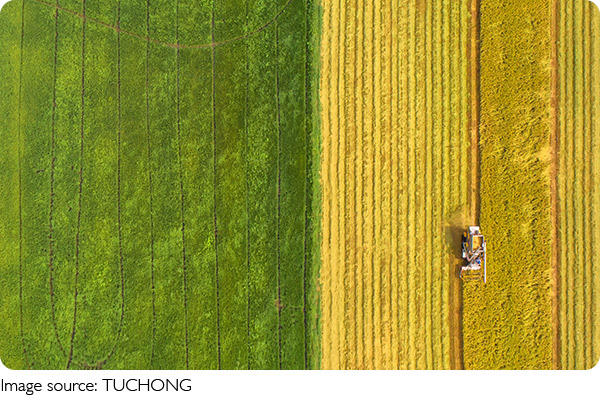
Industrial farming has the capital to invest in advanced irrigation systems, storage facilities, and transportation networks. This can boost regional productivity and lower prices for consumers. Yet such large-scale infrastructure can overshadow smaller operations, making it harder for them to compete. Some regions respond by forming cooperatives—groups of small farmers who pool resources to share distribution, marketing, or processing equipment. This strategy allows them to capture some of the same economic advantages without sacrificing independence.
4. Market Stability vs. Flexibility
Industrial farms usually sign long-term contracts with wholesalers or food companies, ensuring predictable revenue and supply. This stability supports large-scale logistics and price consistency. Small farms, by contrast, are more nimble. They can shift quickly to meet new consumer demands, like heirloom varieties or specialty grains, which might bring higher margins. However, this flexibility also means vulnerability to sudden shifts in weather, policy, or consumer interest.
5. Environmental and Social Costs
Economic impact isn't just about dollars earned but also about costs absorbed. Large-scale monoculture can lead to soil depletion or water issues that require public spending to mitigate. Small-scale farms often emphasize sustainable methods, reducing those external costs but sometimes at higher upfront prices for consumers. If policy incentives reward sustainable practices—such as cover cropping or reduced chemical use—both small and large farms can move toward lower long-term costs for society.
Supporting Both Systems
Communities don't have to choose strictly between small-scale and industrial farming. By balancing the two, regions can enjoy affordable food prices alongside vibrant local economies. Some strategies include:
1. Encouraging local institutions—schools, hospitals—to buy from nearby farms.
2. Providing grants or low-interest loans for small farmers to invest in technology.
3. Developing regional food hubs that handle storage and distribution for multiple producers.
These approaches help small farms compete while still benefiting from the efficiency of large-scale operations.
Shaping Consumer Choices
As consumers, our spending decisions send powerful signals. Supporting a local farm share program or farmers' market can strengthen community resilience. Buying from larger producers may keep grocery costs down but can also mean fewer dollars circulating locally. Awareness of these trade-offs lets households align their purchases with their values—whether that's price, sustainability, or regional development.
Standing at a roadside stand or walking down a supermarket aisle, it's easy to forget the economic systems behind our food. Both small and industrial farms feed us, but they feed our economies in different ways. When we understand those differences, we're better equipped to support a food system that delivers less waste, better livelihoods, and deeper community ties for the long term.