Herb-Infused Sweet Treats

Nolan O'Connor
| 03-12-2025
 · Cate team
It's surprising how a single sprig of basil or a few crushed mint leaves can change the entire mood of a dessert. The first time you taste a lemon tart topped with thyme instead of the usual cream, you realize herbs aren't just for savory cooking—they can make sweets feel fresher, brighter, and more layered.
Using herbs in desserts is more than a culinary trick; it's a way to give everyday treats an unexpected personality.
Why Herbs Work in Desserts?
Herbs add fragrance and complexity without overwhelming sweetness. They bring out hidden notes—mint can highlight chocolate's richness, rosemary can add depth to citrus, and lavender can make simple shortbread taste like a high-end bakery creation. Because herbs are naturally aromatic, you don't need large amounts; even a pinch can elevate a whole dish.
Fresh herbs also create a sensory experience. When you bite into a basil-infused panna cotta or a rosemary-scented apple crumble, the aroma hits before the flavor does, making each spoonful feel more vibrant.
Popular Herbs to Try
1. Mint – Perfect for chocolate mousse, fruit salads, or frozen desserts. A quick mint syrup drizzled over vanilla ice cream can instantly refresh it.
2. Basil – Pairs beautifully with berries. Try layering basil cream between sponge cake and strawberry compote for a twist on a classic shortcake.
3. Rosemary – Works with citrus-based sweets. Grate orange zest into a rosemary-infused custard for an earthy-sweet flavor.
4. Thyme – A subtle option for tarts and cheesecakes. Its slight floral note balances creamy textures.
5. Lavender – Use sparingly in cookies or frosting. A lavender glaze on sugar cookies adds a delicate perfume without tasting soapy.

Creative Ways to Incorporate Herbs
1. Infuse Cream or Milk – Warm cream with herbs like thyme, mint, or basil, let it steep, then strain before using it in custards or whipped cream. This method gives a gentle flavor that feels sophisticated.
2. Herb-Infused Syrups – Boil water, sugar, and your chosen herb to create a syrup for drizzling over cakes, soaking sponge layers, or sweetening lemonade-based desserts.
3. Finishing Touches – Sprinkle finely chopped herbs directly onto fruit tarts, pavlovas, or iced cupcakes. This adds color, aroma, and a fresh bite.
4. Herb Sugar – Blend herbs with sugar, dry it out slightly, and use it to roll cookies or sprinkle over pastries. It's a simple trick that gives everyday treats a gourmet edge.
Practical Tips for Best Results
1. Always use fresh herbs when possible. Dried herbs tend to lose their vibrant aroma and can taste dusty in desserts.
2. Start small. It's easier to add more than to tone down an overpowering herb.
3. Pair herbs with complementary flavors—mint with chocolate, basil with berries, thyme with lemon, rosemary with apples.
4. Mind the texture. Soft herbs like mint and basil can be used raw as a garnish, while woodier herbs like rosemary or thyme should be steeped or infused.
Real-Life Examples
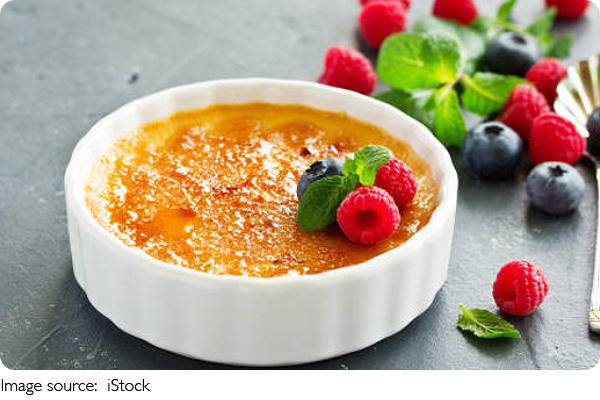
A small café in a coastal town built its reputation on a single dessert: lavender crème brûlée. At first, customers were skeptical, but the blend of creamy custard and subtle lavender notes quickly turned it into their signature dish. Another baker uses basil whipped cream between layers of lemon sponge cake, creating a bright, garden-inspired flavor that's now a wedding favorite. These examples show how herbs can turn a standard menu item into something people travel for.
The Joy of Experimentation
Herb-based desserts encourage experimentation. You don't need a professional kitchen—just curiosity and a willingness to try. Next time you bake a pound cake, brush it with thyme syrup. Or fold finely chopped mint into whipped cream before topping chocolate brownies. These small changes can surprise guests and refresh your own routine.
A Fresh Way to Think About Sweets
Desserts often lean heavily on sugar and oil for pleasure. Herbs offer another route: less sugar, more aroma, unexpected freshness. They can make sweets feel lighter, more complex, and more memorable.
When you start using herbs in your desserts, you're not just adding flavor—you're telling a story. Each sprig of rosemary or swirl of basil cream signals thoughtfulness and creativity. Whether you're baking for friends, family, or customers, these small touches can turn a simple dessert into an experience. And once you've tasted that first spoonful of mint-scented chocolate mousse or thyme-kissed lemon tart, you may never look at your dessert menu the same way again.