Benefits of Root Vegetables

Ravish Kumar
| 18-12-2025
 · Cate team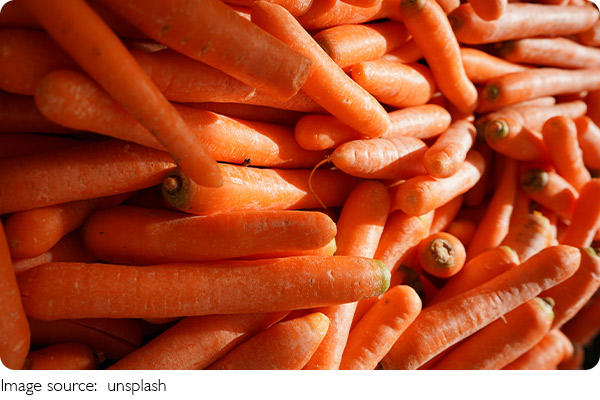
Root vegetables are often the unsung heroes of a healthy diet. While leafy greens and fruits get most of the spotlight, these nutrient-packed underground gems are packed with fiber, vitamins, and minerals.
They're not only delicious but also versatile, fitting into a variety of dishes. Let's dig into why root vegetables should be a staple in your diet and how they can support your overall health.
What Are Root Vegetables?
Before diving into the benefits, let's clarify what root vegetables are. These are the edible parts of plants that grow underground. They absorb nutrients and water from the soil, which is why they're so rich in essential vitamins and minerals. Root vegetables come in many shapes, colors, and sizes, but they all share the same foundational trait: they grow beneath the soil's surface.
Common examples include:
1. Carrots – Often orange but available in purple, yellow, and red varieties.
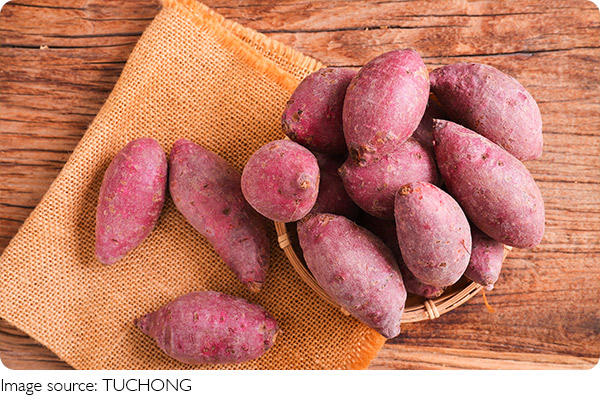
2. Sweet Potatoes – A nutritious tuber that comes in orange, white, and purple varieties.
3. Beets – Known for their vibrant red or golden hue.
4. Turnips – White and purple, offering a mild, slightly peppery taste.
5. Radishes – Small, crunchy, and typically red or white.
The Health Benefits of Root Vegetables
Root vegetables are a powerhouse when it comes to nutrition. Here's why you should add more of them to your plate:
1. Rich in Fiber
According to nutrition experts cited by Healthline, sweet potatoes are a rich source of dietary fiber that supports healthy digestion by promoting regular bowel movements and feeding beneficial gut bacteria. A medium sweet potato provides close to 4 grams of fiber, making it an effective food for maintaining digestive balance and reducing discomfort such as bloating.
Pro Tip: Include root vegetables in your meals to keep you feeling full longer, helping with weight management.
2. Packed with Vitamins and Minerals
These veggies are a natural source of essential vitamins and minerals. Carrots are high in vitamin A, which promotes healthy vision and immune function. Beets are rich in folate, which is vital for cell growth and repair. Sweet potatoes are an excellent source of vitamin C, important for skin health and immunity.
3. Boost Your Antioxidant Intake
Antioxidants are compounds that help protect the body from oxidative stress, which can lead to chronic diseases. Root vegetables like carrots and beets are packed with antioxidants like beta-carotene and anthocyanins. These help fight inflammation and support long-term health.
Pro Tip: To get the most antioxidants from root vegetables, consider roasting or steaming them to retain their nutrient value.

How to Include Root Vegetables in Your Diet?
Root vegetables are incredibly versatile and can be incorporated into almost any meal. Here are some simple ways to enjoy their benefits:
1. Roast Them
Roasting is one of the easiest and most flavorful ways to prepare root vegetables. Simply chop them into chunks, toss with olive oil and your favorite seasonings, and roast in the oven at 400°F for about 25-30 minutes. Roasting caramelizes their natural sugars, bringing out a delicious sweetness.
Pro Tip: Try a mix of root vegetables like carrots, sweet potatoes, and beets for a colorful and nutrient-packed side dish.
2. Mash Them
Mashed sweet potatoes or mashed turnips make a great alternative to traditional mashed potatoes. They're lower in calories and offer more nutrients. Add some garlic, olive oil, and a touch of salt for extra flavor.
3. Add Them to Soups and Stews
Root vegetables can add depth and flavor to soups and stews. Carrots, parsnips, and sweet potatoes all make excellent additions to any hearty soup. They're great for adding texture, flavor, and additional nutrients.
Pro Tip: When making a vegetable soup, throw in some root veggies for extra flavor and health benefits.
Why They're Great for Your Health?
Root vegetables provide a wide range of health benefits that go beyond just basic nutrition. Here's why they're a must-have in your diet:
1. Help Regulate Blood Sugar
Certain root vegetables, like sweet potatoes, have a low glycemic index, which means they don't cause blood sugar spikes. This makes them a great choice for people with diabetes or those trying to manage their blood sugar levels.
2. Promote Healthy Skin
Packed with vitamin A and C, root vegetables help maintain healthy skin. Vitamin A supports cell turnover, while vitamin C helps with collagen production, keeping your skin firm and youthful.
3. Support Immune Function
The antioxidants and vitamins in root vegetables, like beets and carrots, are excellent for boosting the immune system. These nutrients help protect against common colds and other illnesses.
Pro Tip: Pair root vegetables with healthy fats, like olive oil or avocado, to enhance the absorption of fat-soluble vitamins like A and E.
Conclusion: Add Root Vegetables to Your Diet
Root vegetables are more than just a simple side dish—they're a nutritional powerhouse packed with fiber, vitamins, minerals, and antioxidants. Whether you're looking to boost your immune system, improve your digestive health, or add more flavor and color to your meals, root vegetables are a great choice. So, next time you're planning your meals, be sure to include these nutrient-dense veggies for a healthier, more vibrant lifestyle.