How to Make Ramen at Home

Pankaj Singh
| 03-12-2025
 · Cate team
If you've ever slurped a bowl of ramen, you know how satisfying it can be—the rich, flavorful broth, the tender noodles, and the perfect toppings all coming together in one delicious dish. But why settle for takeout when you can make this comforting meal at home?
Making ramen may seem intimidating, but with a few essential ingredients and a bit of know-how, you can create a restaurant-worthy bowl right in your kitchen. Let's break it down into easy steps.
1. Gathering the Ingredients
Before you start cooking, let's get all the ingredients in order. A traditional ramen bowl involves a few key components: broth, noodles, toppings, and seasoning. Here's what you'll need for each:
• Broth: The foundation of any great ramen. You can opt for a rich, creamy broth, or even a lighter vegetable-based one.
• Noodles: Ramen noodles are usually made from wheat flour, salt, and kansui (an alkaline water). You can buy pre-made ramen noodles, or if you're up for a challenge, you can make them from scratch.
• Toppings: Common toppings include soft-boiled eggs, sliced green onions, bamboo shoots, nori (seaweed), and slices of meat like chicken or tofu for a vegetarian version.
• Seasoning: A mixture of soy sauce, miso paste, or salt-based seasoning gives the broth its signature flavor.
Pro Tip: If you're short on time, buying pre-made ramen noodles and broth can save you a lot of effort, but making the broth from scratch will elevate the dish to the next level.
2. Preparing the Broth
The broth is the heart of the ramen. There are different styles, but the most common are creamy broth-based ramen or a lighter, clear broth. Here's how to prepare a simple chicken-based broth:
- In a large container, add 2-3 pounds of chicken carcasses or chicken parts, 2 liters of water, and a few slices of ginger, garlic, and onions for flavor.
- Bring to a boil, then reduce the heat and let it simmer for at least 2-3 hours. The longer it simmers, the more intense the flavor will be.
- After the broth has cooked, strain it through a fine-mesh sieve to remove the chicken parts and vegetables.
Pro Tip: If you're in a hurry, you can use store-bought chicken stock and enhance it with soy sauce and miso paste for depth of flavor.

3. Cooking the Noodles
Ramen noodles are quick to cook but require the right timing to get that perfect bite. If you're using store-bought noodles, follow the package instructions. If you're making homemade noodles, here's a basic guideline:
- Bring a large container of water to a rolling boil (no need to add salt, as ramen noodles are already seasoned).
- Add the noodles and cook for 3-4 minutes, stirring occasionally to prevent sticking.
- Drain the noodles and rinse briefly under cold water to stop the cooking process, then set them aside.
Pro Tip: For that perfect texture, don't overcook the noodles. They should have a slight chew when you bite into them.
4. Assembling the Ramen Bowl
Once your broth and noodles are ready, it's time to assemble your ramen bowl! Here's how to put it all together:
- Pour the broth: Start by ladling the hot broth into your bowl, filling it about halfway.
- Add the noodles: Gently place your noodles in the broth.
- Top it off: Now for the fun part—add your toppings! Some classic options are:
o Soft-boiled egg: Cooked for about 6 minutes, the yolk should be runny and golden.
o Sliced chicken or tofu: You can grill, pan-fry, or roast your choice of meat or tofu.
o Green onions: Finely chopped to add a fresh, crunchy contrast.
o Nori: For a touch of umami and visual appeal.
Pro Tip: If you like spicy ramen, drizzle in a bit of chili oil or sprinkle some red pepper flakes on top.
5. Seasoning to Taste
At this point, your ramen should be looking and smelling amazing. But no bowl is complete without the perfect seasoning. Here's how you can adjust the flavor:
- Soy Sauce: For a traditional shoyu ramen, add a spoonful of soy sauce directly into the broth. This gives the soup a savory depth.
- Miso Paste: For a miso ramen, mix in a spoonful of miso paste to the broth to create a rich, umami flavor.
- Salt: If you prefer a salt-based ramen, simply add a pinch of salt to taste.
Pro Tip: Taste the broth before serving. It's important to adjust the seasoning as the flavors can concentrate when simmering.
6. Experimenting with Toppings
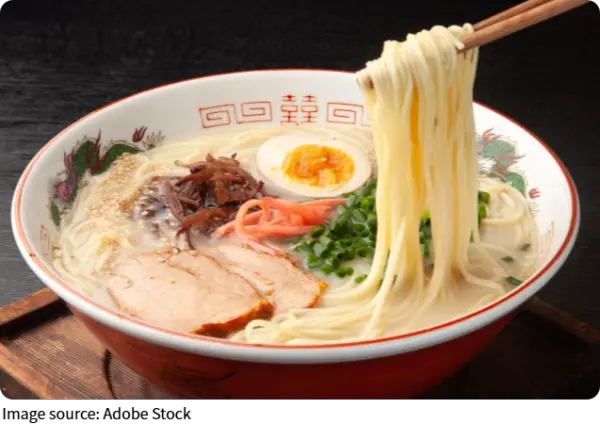
While classic ramen toppings are great, don't hesitate to get creative with your ramen bowl. Here are a few ideas to try:
• Bamboo shoots: A traditional topping that adds crunch and flavor.
• Corn: Sweet corn adds a nice contrast to the salty broth.
• Spinach: For a pop of color and extra nutrients.
• Togarashi: A Japanese spice mix that can add heat and complexity to your ramen.
Pro Tip: Try different toppings to find your favorite combination. The more you experiment, the more personalized your ramen will become.
7. Enjoying Your Homemade Ramen
The final step is the best part: eating your ramen! Ramen is best enjoyed while the broth is still hot, so don't wait too long to dive in. Use chopsticks to slurp the noodles and sip the broth directly from the bowl—this is the proper way to enjoy ramen!
Pro Tip: Don't rush through your ramen. Take your time and enjoy each bite, savoring the rich flavors and textures that you've worked so hard to create.
Making ramen at home is a rewarding experience that lets you customize every aspect of the dish—from the broth to the toppings. While it takes a little time and effort, the result is a delicious, comforting bowl of ramen that rivals what you'd get at a restaurant. So grab your ingredients, roll up your sleeves, and get ready to enjoy your homemade ramen!