A Guide to Japanese Sweets

Amina Hassan
| 06-01-2026
 · Cate team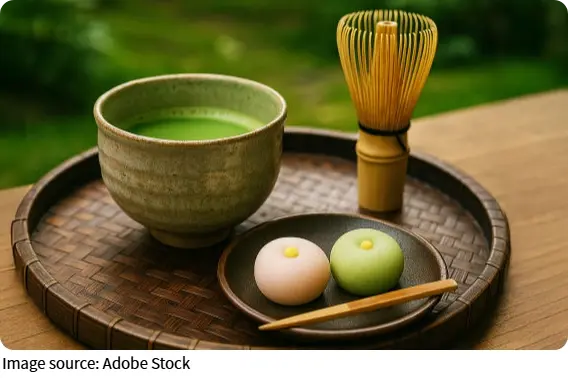
Japanese sweets, or wagashi, are much more than just desserts—they're an art form. These delicate treats are made with an emphasis on seasonal ingredients, subtle sweetness, and beautiful presentation.
While Western sweets often focus on rich, bold flavors, wagashi offers a more refined, balanced taste experience, where each bite is carefully crafted to evoke nature, tradition, and mindfulness.
Unlike sugary, store-bought confections, wagashi uses natural ingredients like sweet red bean paste (anko), rice flour, and agar, often paired with flavors inspired by the changing seasons. The textures are just as important as the taste—soft, chewy, or even crisp, they reflect the meticulous care that goes into their creation
The Key Ingredients of Wagashi
Creating wagashi requires only a handful of ingredients, but each one plays a crucial role in building the perfect flavor and texture.
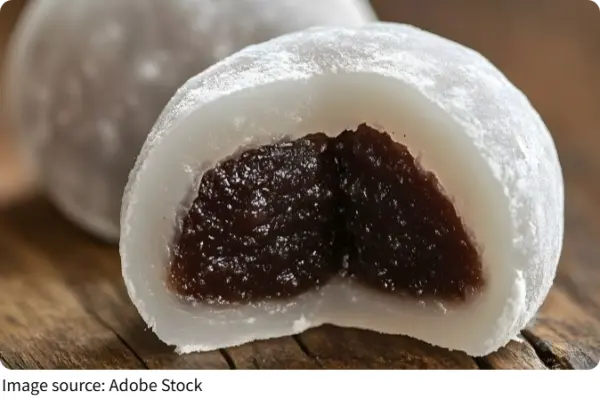
1. Sweet Red Bean Paste (Anko): This is the heart of many wagashi. Made by boiling adzuki beans with sugar, anko is sweet yet subtly earthy. It's used in many forms of wagashi, from fillings in cakes to coatings on mochi.
2. Mochiko (Rice Flour): Ground from glutinous rice, this flour is used to make soft, chewy doughs. The famous mochi treats, which are sticky and tender, are often made with this flour.
3. Agar (Kanten): A gelatin-like substance derived from seaweed, kanten is used to create jellied sweets with a smooth, firm texture. It's often seen in nerikiri (decorative dough) or colorful jelly desserts.
4. Fruits and Nuts: Many wagashi incorporate fresh fruits or nuts, like chestnuts or citrus, especially during specific seasons. These add a natural sweetness and richness to the sweets.
The beauty of these ingredients is that they reflect the seasons, with each one bringing a fresh opportunity for creative combinations.
Popular Types of Wagashi
There's no shortage of different types of wagashi, each with its own look, texture, and taste. Some of the most popular include:
1. Mochi: This chewy, glutinous rice treat is often filled with anko or fresh fruit. It's a favorite at festivals, but also enjoyed year-round. For a fun variation, try daifuku mochi, which is a ball of mochi filled with sweet bean paste.
2. Manju: A steamed or baked bun filled with sweet red bean paste. The outer dough is soft and lightly sweet, while the filling is dense and rich. This is often seen during tea ceremonies.
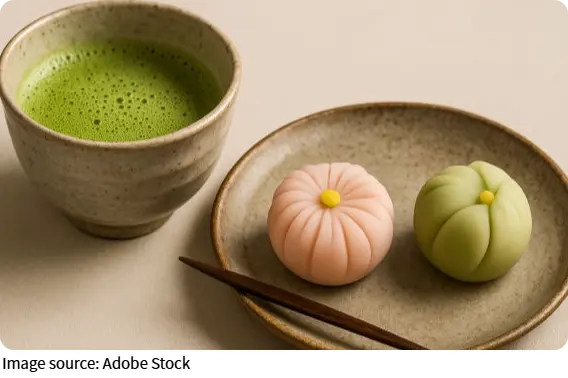
3. Nerikiri: Made from koshian (a smoother, finer version of anko) and shiroan (sweet white bean paste), nerikiri is often shaped into beautiful flowers, fruits, or other intricate designs. This dessert showcases the art of wagashi with its fine texture and delicate appearance.
4. Yokan: A thick jelly-like dessert made from kanten, anko, and sugar. It's often served in small rectangular slices and can be flavored with matcha or other seasonal flavors.
How to Make Your Own Wagashi?
Making wagashi at home might seem challenging at first, but with a few basic ingredients and a bit of patience, you can start crafting your own treats. Here's a simple recipe to try:
Mochi:
• Ingredients: 1 cup of mochiko, 1/4 cup of sugar, 1/2 cup of water, and anko (sweet red bean paste).
• Instructions:
1. Mix mochiko and sugar together in a bowl.
2. Gradually add water while stirring to create a thick batter.
3. Microwave for 1 minute, then stir. Repeat this process until the dough becomes sticky and shiny (around 3-4 minutes total).
4. Let the dough cool slightly, then divide it into small portions. Flatten each portion and add a spoonful of anko in the center, folding the dough around the filling to create a ball.
This simple recipe can be a starting point to explore the wide world of wagashi. Experiment with different fillings or toppings like matcha powder or sweet fruit.
Why Try Wagashi?
Wagashi is more than just a treat—it's a cultural experience. Each piece reflects a deep connection to nature, seasons, and Japanese aesthetics. Beyond the taste, it's about savoring each moment of enjoyment, much like the practice of tea ceremonies.
For those seeking to connect with the rhythms of nature or indulge in something less sugary and more refined than typical desserts, wagashi offers a gentle, mindful experience. The soft sweetness, delicate flavors, and beautiful presentations invite you to slow down and appreciate the simple things in life.
Final Thoughts on Wagashi
Exploring the world of wagashi is like opening a door to a new form of art. The careful craftsmanship, seasonal ingredients, and soft sweetness make each treat a small moment of joy. Whether you're crafting it at home or enjoying it in a traditional tea setting, wagashi is a reminder of how simple, beautiful, and mindful food can be. So next time you're craving something special, why not try your hand at making these delicate sweets?