How to Make Soba Noodles

Nolan O'Connor
| 31-12-2025
 · Cate team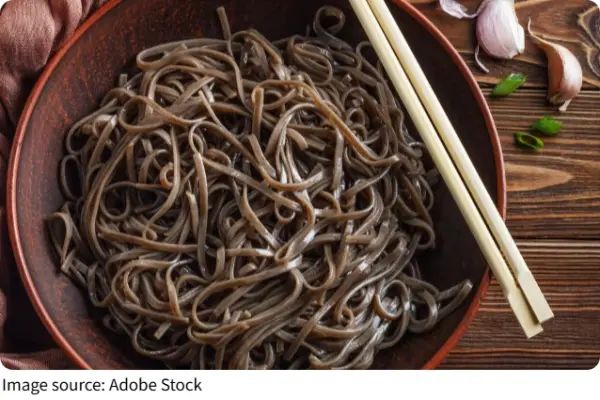
Making soba noodles from scratch may sound like a complicated process, but it's actually much easier than you might think. There's something incredibly satisfying about creating your own noodles, and the flavor of freshly made soba is unbeatable.
Whether you're looking to master this dish for a special occasion or just want to impress your friends with your culinary skills, here's a step-by-step guide on how to make soba noodles from scratch.
Ingredients You'll Need
Before you get started, gather these ingredients:
1. Soba flour (buckwheat flour) – 100 grams
2. Wheat flour – 50 grams
3. Water – about 100-120 ml
4. Salt – just a pinch
It's best to use a combination of buckwheat and wheat flour to get the texture right. The buckwheat flour gives the noodles their distinctive earthy flavor, while the wheat flour provides the necessary elasticity.
Preparing the Dough
Making soba dough is like preparing any other dough, but with a little more care since buckwheat flour doesn't have gluten like regular flour. Here's how you do it:
1. Mix your flours – In a large bowl, mix the buckwheat and wheat flours together. This is the base of your dough.
2. Add water slowly – Gradually pour the water into the flour mixture, stirring as you go. Keep adding water until the dough comes together. It should feel a little firm but still pliable.
3. Knead the dough – Once your dough starts to form, transfer it onto a flat surface and knead it for about 10 minutes. Kneading helps activate the starches in the flour, giving the dough structure. Don't worry if it feels a bit dry at first—it should come together after some work.
4. Rest the dough – Wrap your dough in plastic wrap or cover it with a damp cloth and let it rest for at least 30 minutes. This step is crucial for allowing the dough to relax and become easier to roll out.
Rolling Out the Dough
After the dough has rested, it's time to roll it out into thin sheets:
1. Dust your surface – Sprinkle a little flour on your countertop or rolling mat to prevent the dough from sticking.
2. Roll out the dough – Use a rolling pin to flatten the dough into a large, thin sheet. Aim for a thickness of about 1-2mm. Keep rotating the dough as you roll it to maintain an even thickness.
3. Cut the noodles – Once your dough is rolled out, fold it into thirds like a letter, then slice it into thin strips. The width of the strips is up to you, but traditionally, soba noodles are about 2-3mm wide.
Cooking the Noodles
Cooking homemade soba noodles is quick and easy. Here's what you need to do:
1. Bring water to a boil – Fill a large saucepan with water and bring it to a rolling boil. Make sure the saucepan is big enough to accommodate the noodles without crowding.
2. Add the noodles – Drop your freshly cut soba noodles into the boiling water. Stir gently to prevent them from sticking together.
3. Cook for 3-5 minutes – The noodles cook quickly, so keep an eye on them. Once they float to the surface, they're done.
4. Rinse the noodles – Drain the noodles and rinse them under cold water to stop the cooking process and remove excess starch.

Serving Your Soba
Once your noodles are cooked, you can serve them in a variety of ways. Here are a few popular serving options:
1. Chilled soba – For a refreshing summer dish, serve your soba noodles cold with a dipping sauce (called tsuyu) made from soy sauce, rice vinegar, and dashi. Add some chopped green onions and a sprinkle of sesame seeds for extra flavor.
2. Soba soup – If you prefer a warm dish, serve the noodles in a hot broth made from dashi, soy sauce, and rice vinegar. Top with vegetables, tofu, or a soft-boiled egg for added texture and taste.
Tips for Perfect Soba
• Don't overwork the dough – Over-kneading or over-stretching the dough can make it tough. Be gentle during the process.
• Use high-quality flour – The better the quality of your flour, the better your soba will taste. Look for 100% buckwheat flour for the best flavor.
• Cook in plenty of water – The noodles need room to move and cook evenly, so don't skimp on water.
Making soba noodles from scratch is a fun and rewarding process that allows you to enjoy fresh noodles in a way you can't get from the store. Whether you're serving them chilled in the summer or warm in a comforting soup, your homemade soba will definitely impress. Next time you're craving something authentic, skip the takeout and try this hands-on recipe instead!