Japanese Curry Made Easy

Chandan Singh
| 23-12-2025
 · Cate team
Who doesn't love a steaming bowl of rich, comforting curry? The deep flavors, the tender chunks of meat or vegetables, all served over a bowl of warm rice—it's the ultimate comfort food.
If you've ever had Japanese curry, you know it's different from the more well-known Indian-style curry. Japanese curry is thicker, milder, and slightly sweet, making it perfect for all palates. Want to learn how to make it at home? Here's a step-by-step guide to preparing Japanese curry from scratch.
Gathering Your Ingredients
The beauty of Japanese curry is in its simplicity. You don't need too many ingredients to create something delicious. Here's what you'll need:
1. Curry roux – You can either buy pre-made Japanese curry roux blocks (found in most Asian grocery stores) or make your own from scratch using butter, flour, and curry powder.
2. Meat or vegetables – Common choices include chicken, meat, but you can also make a vegetarian version using root vegetables like potatoes, carrots, and onions.
3. Onions – 1 large onion, finely chopped, for that sweet base flavor.
4. Carrots – 2 medium-sized, cut into thick rounds or half-moons.
5. Potatoes – 2 medium-sized, peeled and cubed.
6. Broth – Either chicken or vegetable broth works, about 3 cups.
7. Soy sauce – A splash for extra depth of flavor.
8. Apple or honey – A touch of sweetness to balance out the spices.
Once you have your ingredients ready, it's time to start cooking.
Making the Curry Base
Start by making the curry base, which is the heart of the dish. The key here is to build depth of flavor with the right technique.
1. Sauté the onions – Heat a large pan over medium heat and add a bit of oil. Once hot, add the chopped onions and cook them until they're soft and golden. This process usually takes about 10 minutes and brings out the natural sweetness of the onions.
2. Add the carrots and potatoes – Once the onions are caramelized, add the carrots and potatoes to the pan. Stir for a few minutes to let them soak up some of the flavors.
3. Pour in the broth – Add the broth to the pan, making sure the vegetables are covered. Bring everything to a simmer and let it cook for about 20-25 minutes, or until the vegetables are tender.
This is the part where the curry starts to smell absolutely amazing. Now, we'll bring it all together with the curry roux.

Adding the Curry Roux
Japanese curry is famous for its thick, velvety texture, and that's all thanks to the curry roux. You can use store-bought roux blocks or make your own—either way, it's what gives the curry that rich, savory base.
1. Break up the curry roux – If you're using pre-made blocks, break them up into small pieces to make it easier to melt into the broth. If you're making your own roux, melt butter in a separate pan, stir in flour, and cook until it forms a paste, then add curry powder.
2. Add the roux to the pan– Stir the curry roux into the simmering broth, making sure it dissolves completely. The mixture will start to thicken up as it combines with the broth, creating a smooth, creamy texture.
3. Simmer – Let the curry simmer on low heat for an additional 10-15 minutes, stirring occasionally. The curry should be thick, but still pourable, like a stew.
If the curry is too thick, feel free to add a little more broth or water to reach your desired consistency.
Adding Sweetness and Depth
Japanese curry often has a mild sweetness to balance out the spices. To add this element, you can use a small grated apple or a teaspoon of honey.
1. Grate an apple – If you choose the apple, grate it and add it to the curry along with a splash of soy sauce for extra umami.
2. Stir and adjust seasoning – Taste your curry and add more soy sauce if you need extra saltiness or more honey if you want it sweeter. The balance between salty and sweet is what makes Japanese curry so unique.
At this point, your curry should be rich, hearty, and packed with flavor.
Serving the Curry
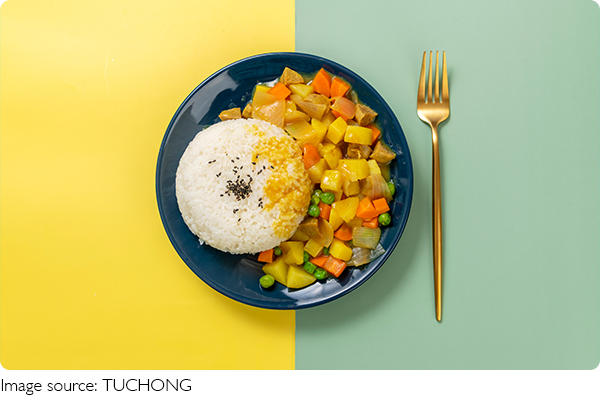
Now that your curry is ready, it's time to serve it. Japanese curry is typically served over steamed rice, but you can also pair it with a simple side salad or pickles for some extra crunch and acidity.
1. Serve over rice – Spoon a generous amount of curry onto a bed of freshly cooked white rice. The rice acts as a perfect base, absorbing all the rich curry sauce.
2. Garnish – If you like, garnish your curry with a sprinkle of chopped green onions or a hard-boiled egg for added texture.
One of the best things about Japanese curry is that it actually tastes better the next day, so don't hesitate to make extra for leftovers.
Tips for the Perfect Japanese Curry
• Use the right roux – The quality of the curry roux you use really affects the flavor of your curry. Look for Japanese brands like Golden Curry or Vermont Curry for the best results.
• Balance the sweetness – The sweetness of Japanese curry is subtle but important. If you're using apple, be sure to grate it finely so it blends well into the curry.
• Experiment with vegetables – You can add other vegetables like bell peppers, zucchini, or mushrooms for extra flavor and variety.
• Serve with side dishes – Try serving the curry with Japanese pickles (like fukujinzuke) or a fresh cucumber salad to balance out the richness.
Conclusion
Japanese curry is a comforting, hearty dish that's easy to make and endlessly customizable. Whether you prefer it with chicken, vegetables, or a bit of both, this dish brings together warm, satisfying flavors in every bite. So grab your ingredients, follow the steps, and enjoy a homemade bowl of Japanese curry that'll rival any takeout!