Japanese Pickled Veggies

Mason O'Donnell
| 07-01-2026
 · Cate team
If you've ever visited a Japanese restaurant, you've probably had a small dish of pickled vegetables on the side, known as tsukemono. These vibrant, flavorful sides add a burst of freshness to every meal and are a staple in Japanese cuisine.
Whether it's the tangy crunch of pickled cucumbers or the sharp bite of pickled daikon radish, the variety is endless. What's even better? Making your own pickled vegetables at home is easier than you might think. Let's dive into how you can recreate these delicious and colorful dishes in your own kitchen.
What Are Japanese Pickled Vegetables?
Japanese pickled vegetables, or tsukemono, are often served as an accompaniment to meals, balancing out the rich flavors of the main dishes. The key to creating these pickles lies in the combination of salt, vinegar, and sometimes sugar, which preserves the vegetables while enhancing their natural flavors.
- The Vegetables: Popular options include cucumbers, radishes, carrots, eggplant, and even cabbage.
- Pickling Process: The vegetables are typically soaked in a brine or marinade and left to ferment or pickle for a short period.
- Serving: These pickles are meant to be eaten as a side dish or used as a garnish to complement the main course.
The beauty of tsukemono is in its simplicity. The process can be as quick as a few hours, or it can take several days, depending on the type of pickle you're making.
Classic Cucumber Pickles (Kyuri no Tsukemono)
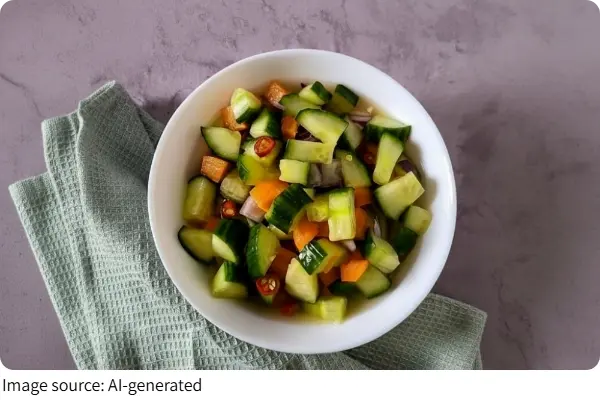
One of the most common types of Japanese pickled vegetables is kyuri no tsukemono—pickled cucumbers. This refreshing pickle is a great introduction to making your own tsukemono and pairs well with just about any Japanese meal.
Ingredients:
2-3 small cucumbers
1 tablespoon salt
2 tablespoons rice vinegar
1 teaspoon sugar
A few chili flakes (optional for heat)
The Process:
Slice the cucumbers into thin rounds or quarters. Sprinkle with salt and let them rest for about 30 minutes to draw out excess moisture. After they've softened, rinse off the salt, then mix with vinegar and sugar. Let the cucumbers sit in the fridge for about 2-3 hours.
Flavor Profile: The cucumbers are crunchy with a tangy, sweet-savory flavor, thanks to the vinegar and sugar.
Tip: For extra flavor, try adding a few sesame seeds or a dash of soy sauce to the pickling liquid!
Pickled Daikon Radish (Shiozuke)
Pickled daikon radish, or shiozuke, is another beloved variety in Japanese cuisine. The crisp, white radish takes on a slightly sweet and tangy flavor when pickled.
Ingredients:
1 large daikon radish
1 tablespoon salt
1 tablespoon sugar
2 tablespoons rice vinegar
The Process:
Peel the daikon and slice it into thin rounds or matchsticks. Sprinkle salt over the slices and allow them to rest for 20-30 minutes. Rinse and squeeze out any excess liquid, then mix the radish with sugar and vinegar. Let it sit in the fridge for 24-48 hours for the flavors to develop.
Flavor Profile: The daikon becomes crunchy yet tender with a sweet and tangy kick from the vinegar and sugar.
Tip: Daikon pickles can be made in advance and stored in the fridge for up to a week, making them a convenient side dish.
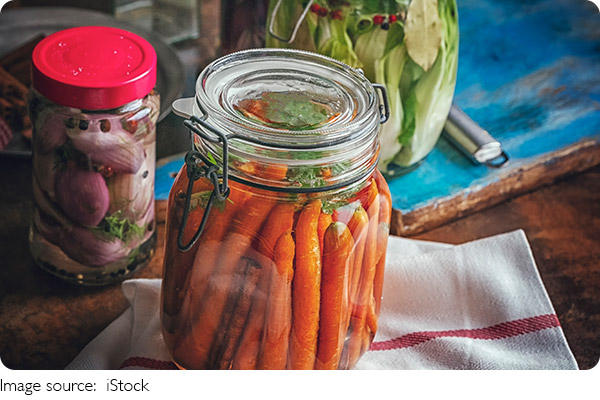
Pickled Eggplant (Nasu no Tsukemono)
Pickled eggplant is another great option for those looking for a unique pickle. The eggplant takes on a wonderful, umami flavor when it's pickled in a simple brine.
Ingredients:
2 medium-sized eggplants
2 tablespoons salt
1/2 cup rice vinegar
1 teaspoon sugar
A small piece of kombu (seaweed) for extra flavor (optional)
The Process:
Slice the eggplant into thin rounds. Salt the slices and let them sit for 20 minutes to draw out excess moisture. Rinse the eggplant and combine it with vinegar, sugar, and a piece of kombu. Let it sit in the fridge for at least 4-6 hours.
Flavor Profile: The eggplant softens with a tangy yet savory flavor, with the kombu adding a hint of umami.
Tip: For a more traditional taste, you can also add a dash of soy sauce to the pickling mix for an added savory depth.
Quick Pickling Method: A Fast Way to Enjoy Tsukemono
If you're short on time, there's a quicker method to make tsukemono that doesn't require a long wait. This method involves making a quick brine and refrigerating the vegetables for a short period, usually just a few hours.
Ingredients:
Your choice of vegetable (cucumber, carrot, radish, etc.)
1/4 cup rice vinegar
1 tablespoon sugar
1/4 cup water
1 teaspoon salt
The Process:
Slice the vegetables as thinly as possible. In a small saucepan, heat the vinegar, sugar, water, and salt until the sugar dissolves. Pour the brine over the vegetables and let them sit in the fridge for at least 1-2 hours.
Flavor Profile: The vegetables absorb the brine quickly, providing a refreshing, tangy side dish in no time.
Tip: Use a glass jar for storing your pickles to keep the flavors fresh and vibrant.
Making Tsukemono Your Own
Japanese pickled vegetables are not just flavorful; they're also an easy way to experiment with flavors and textures in your own kitchen. Whether you prefer the sharpness of pickled daikon or the refreshing crunch of cucumber, there's no wrong way to make these dishes. The beauty of tsukemono lies in its versatility—you can adjust the seasonings to suit your taste and create endless variations.
So, the next time you're craving something light, fresh, and packed with flavor, give these pickled vegetables a try. You might find that they're the perfect side dish for your Japanese-inspired meal, or simply as a snack on their own. Try experimenting with different vegetables and seasonings to make your own signature tsukemono at home!