Japanese Rice Seasoning Tips

Pankaj Singh
| 31-12-2025
 · Cate team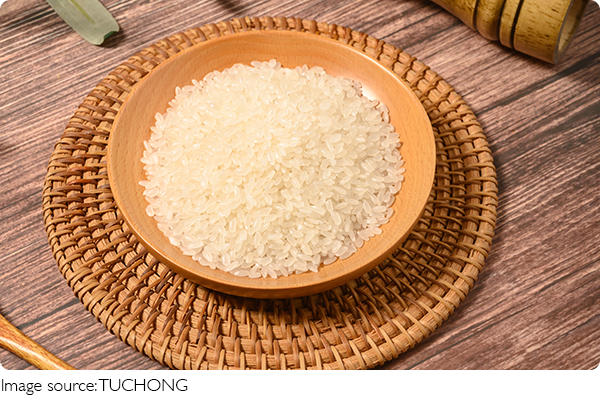
Rice is the heart of many meals, especially in Japanese cuisine. Whether it's served as an accompaniment to sushi or as a side dish to your favorite savory dishes, rice is never just a bland base—it's the perfect canvas for flavor.
If you've ever had Japanese rice, you know it's something special. The seasoning elevates it from ordinary to extraordinary. In this article, we'll share some simple but effective ways to season rice the Japanese way, transforming it into something delicious and aromatic.
Understanding Japanese Rice
Before diving into the seasoning methods, it's essential to understand what makes Japanese rice so unique. Unlike typical long-grain rice, Japanese rice is a short-grain variety, known for its sticky and slightly chewy texture. This characteristic makes it perfect for absorbing flavors, and that's why it pairs so well with various seasonings.
- Sticky Texture: The rice's sticky texture helps it hold onto the seasoning, enhancing the overall flavor.
- Japanese Vinegar: A key component of rice seasoning in Japan is rice vinegar, which imparts a subtle tangy taste.
- Shiny Finish: Seasoned rice often has a glossy, appealing sheen, making it look as good as it tastes.
With this in mind, the right seasonings can elevate your rice and turn it into a flavorful dish all on its own.
Rice Vinegar: The Secret Ingredient
One of the most common and crucial ingredients used to season Japanese rice is rice vinegar. The mild sweetness of rice vinegar adds a perfect balance to the rice without overwhelming the natural flavors.
- How to Use: Mix rice vinegar with sugar and salt to create a seasoning blend. After cooking your rice, fold this mixture into the warm rice to give it that authentic, lightly tangy taste.
- Pro Tip: Use 1/4 cup rice vinegar, 1 tablespoon sugar, and 1 teaspoon salt for every 2 cups of cooked rice. Adjust the sweetness or saltiness based on your preference.
- Flavor Profile: The vinegar provides a delicate acidity that balances the richness of the rice, making each bite more satisfying.
Tip: Use a fan to cool the rice as you mix the seasoning in—this will help give the rice its signature glossy look.
Adding Umami with Dashi
Dashi, a Japanese stock made from seaweed and bonito flakes, is another ingredient that can enhance the flavor of your rice. Though it's more commonly used in soups and sauces, dashi can be added to rice seasoning to give it a deeper, more complex flavor.
- How to Use: Add a splash of dashi stock to the rice vinegar mixture to introduce umami flavors.
- Pro Tip: Use a tablespoon of dashi for every cup of rice, or make a dashi rice seasoning by mixing dashi powder with the vinegar, sugar, and salt blend.
- Flavor Profile: The dashi infuses the rice with a savory, oceanic flavor that adds richness and complexity.
Tip: Be cautious with dashi as it's very potent—start with a little and taste as you go to avoid overpowering the rice.
Sesame Seeds and Furikake for Texture
For added texture and flavor, sesame seeds and furikake (a Japanese rice seasoning mix) are excellent choices. These not only enhance the flavor but also give your rice a satisfying crunch.
- How to Use: Sprinkle sesame seeds or furikake on top of the rice before serving. Furikake comes in various flavors, such as seaweed, sesame, and fish flakes, allowing you to customize the taste.
- Pro Tip: Lightly toast the sesame seeds in a dry pan for a minute or two to bring out their nutty aroma before sprinkling them on the rice.
- Flavor Profile: Sesame seeds add a subtle nutty flavor, while furikake provides a combination of savory, salty, and sometimes even sweet elements.
Tip: Furikake can be a great way to introduce other flavors into your rice, like dried fish or pickled vegetables.
Seasoning with Soy Sauce
Soy sauce is a classic seasoning that is often used in Japanese cooking. It adds a salty, savory depth to the rice, giving it a bit of richness.
- How to Use: A few drops of soy sauce can be mixed into your cooked rice for a simple yet effective seasoning.
- Pro Tip: For a more subtle flavor, use low-sodium soy sauce and mix it with a touch of rice vinegar to maintain the balance of flavors.
- Flavor Profile: Soy sauce provides a deep, umami-packed flavor that complements the rice without overpowering it.
Tip: Use soy sauce sparingly—too much can make the rice too salty. A little goes a long way.

Creative Variations on Rice Seasoning
While traditional rice seasonings like vinegar, soy sauce, and sesame seeds are fantastic, don't be afraid to get creative! Here are a few variations you can try to add some flair to your rice:
- Shiso Leaves: Add chopped shiso leaves (a Japanese herb) for a fresh, slightly minty flavor that pairs wonderfully with rice.
- Yuzu Kosho: A spicy and citrusy paste made from yuzu peel and chili peppers, yuzu kosho adds a zingy kick to your rice.
- Miso Butter: For a rich and creamy twist, mix a small amount of miso paste and butter, then fold it into your rice.
Tip: Experiment with your favorite ingredients to find the seasoning that best suits your taste. Japanese rice is versatile, and there's no wrong way to make it your own!
Conclusion: Elevate Your Rice Experience
Japanese rice seasoning isn't just about adding flavor—it's about creating a harmonious dish that complements every bite. Whether you prefer a tangy vinegar-based rice or one with a rich umami depth from soy sauce and dashi, these seasoning tips can take your rice from ordinary to extraordinary. Next time you're cooking rice, try mixing in one or more of these seasonings to create a flavorful side dish that's perfect for any meal. Don't forget to experiment and have fun with your seasonings—after all, the best meals are those that reflect your personal taste.