Fermentation & Flavor

Sofia Alvarez
| 19-12-2025
 · Cate team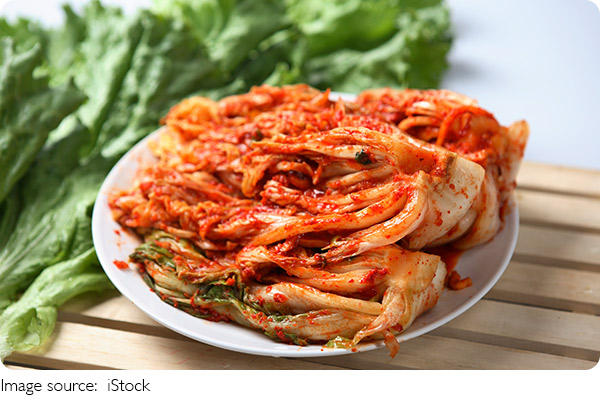
If you've ever sat down to a Korean meal, chances are a small dish of kimchi was on the table. Tangy, spicy, and slightly sour, it's not just a side dish—it's a story of culture, survival, and health packed into fermented cabbage.
What makes kimchi so unique, and why has it captured global attention in recent years?
The Art of Fermentation
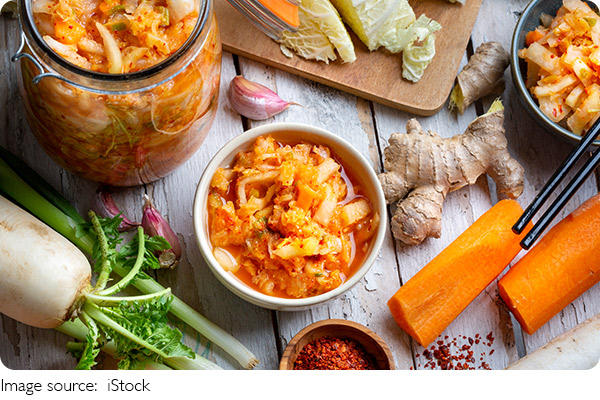
At its heart, kimchi is vegetables—often napa cabbage or radish—preserved through fermentation. Salt draws out moisture, spices add layers of flavor, and beneficial bacteria get to work. As the days pass, sugars in the vegetables are broken down into lactic acid, which not only preserves the food but gives kimchi its signature tang.
This process is nature's way of extending a harvest, but it's also a science experiment in a jar. The longer kimchi ferments, the more complex the taste becomes—ranging from crisp and fresh in the early days to bold and pungent weeks later.
A Symphony of Flavors
Kimchi isn't one-note. Depending on the region and family recipe, it can be fiery red with chili flakes, mellow with fewer spices, or even watery and refreshing like dongchimi. Garlic, ginger, scallions, and sometimes seafood-based pastes build depth, while the fermentation ties everything together.
Imagine crunching into a leaf of cabbage that's slightly sour, a little sweet, and full of heat—that's the magic of kimchi. It doesn't just sit quietly on the plate; it wakes up your palate and pairs with almost anything, from rice and stews to tacos and grilled cheese sandwiches.
Health Benefits Worth Noticing
Kimchi is more than flavor; it's a nutritional powerhouse. Fermentation fills it with probiotics, which support gut health and digestion. It's also low in calories but high in fiber, vitamins A, B, and C, and antioxidants. Regularly eating kimchi has been linked to improved immunity and better gut balance.
1. Gut support: Probiotics help maintain a healthy microbiome.
2. Nutrient boost: Cabbage and radish provide essential vitamins.
3. Weight-friendly: Light on calories but satisfying on flavor.
For people who want food that's both delicious and functional, kimchi hits the sweet spot.

From Tradition to Trend
What began as a way to preserve vegetables for cold winters has turned into a global trend. Chefs experiment with kimchi in everything from burgers to pasta, and home cooks are trying their hand at fermentation jars in their kitchens.
But while modern twists are exciting, kimchi's roots are still deeply cultural. It's tied to family rituals, seasonal gatherings, and the rhythm of preparing for winter. For many, making kimchi isn't just cooking—it's connecting to heritage and passing down stories.
Bringing Kimchi Into Your Kitchen
If you're curious to make your own, start small. A simple cabbage kimchi requires only a few ingredients: napa cabbage, salt, chili flakes, garlic, ginger, and scallions. Once salted and spiced, it ferments in a sealed jar at room temperature before moving to the fridge.
The beauty is that no two batches are the same. The environment, the timing, and even your own taste preferences shape the final flavor. Some like it young and crisp, others prefer it aged until it packs a sharp punch.
A Bite That Tells a Story
Every spoonful of kimchi carries centuries of tradition and the quiet science of fermentation. It's not just about eating vegetables; it's about savoring history, health, and creativity in one bite. Next time you see a jar of kimchi, don't think of it as just a side dish. Think of it as an invitation—to explore new flavors, to nurture your gut, and to appreciate the art of food that's alive.