Bento Culture Unwrapped

Naveen Kumar
| 23-12-2025
 · Cate team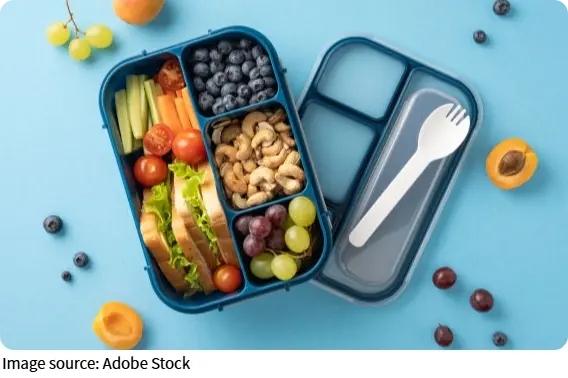
Picture this: you're on a train, and the person across from you opens a lunchbox that looks like a miniature work of art. Perfectly portioned rice, bright vegetables, a small piece of grilled fish, maybe even a fruit cut into a flower.
That's the essence of bento—not just food to fill the stomach, but a message, a craft, and sometimes even a story in a box.
Beyond a Quick Meal
At first glance, a bento might seem like nothing more than a packed lunch. But look closer, and you'll see a philosophy at work. Every bento balances flavor, nutrition, and presentation. It's about giving equal importance to health and pleasure, with no detail left to chance.
The compartments aren't random either—they reflect an idea of harmony. Protein, vegetables, grains, and small extras all have their place, creating both variety and balance. Opening a bento feels like opening a tiny stage where every ingredient plays its role.
A Language of Care
For many, making a bento is an act of thoughtfulness. Parents often prepare bentos for children, making sure they get nourishment while also adding touches of love—like shaping rice into animals or adding bright food picks. Partners might pack bentos for each other as a quiet way of saying, “I care about you.”
This emotional layer is what separates bento from a generic lunchbox. It's not about calories or convenience alone; it's about connection. The time spent on arranging food beautifully becomes a silent gesture of affection.
Creativity on Display
One of the most striking aspects of bento culture is its creativity. There's even a category called “character bento” (or kyaraben), where popular cartoon figures are recreated using seaweed, eggs, and vegetables. These playful creations bring fun to mealtime and show how food can double as art.
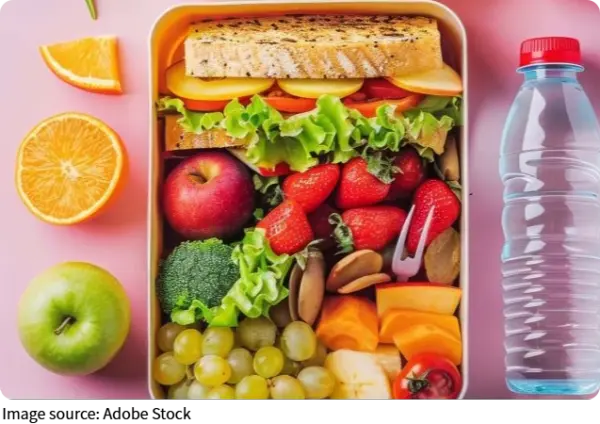
Even without cartoon themes, bentos showcase ingenuity. Using seasonal produce, cooks experiment with color and texture, turning everyday ingredients into something special. A simple piece of broccoli or a slice of carrot becomes part of a bigger composition.
Lessons From the Bento Box
What can we learn from bento culture? More than you might expect:
1. Balance matters: A mix of grains, proteins, and vegetables provides both nutrition and satisfaction.
2. Presentation counts: When food looks good, we're more likely to enjoy it mindfully.
3. Small portions work: Bento encourages moderation without feeling deprived.
4. Cooking can be creative: Even simple ingredients can be arranged beautifully.
These principles can inspire anyone, even outside of Japan. Packing your own lunch with variety and care can turn an ordinary break into a small ritual of joy.

Bento in Modern Life
While traditional bento has deep cultural roots, it continues to evolve. Convenience stores and train stations sell grab-and-go versions, while home cooks bring their personal touch to daily bentos. Social media has amplified this creativity, with countless photos of colorful boxes inspiring others to try their own.
Yet, at its core, bento hasn't lost its meaning. Whether bought or homemade, it remains a way to combine practicality with thoughtfulness, proving that even a quick meal can hold beauty and care.
A Box With More Than Food
Next time you see a bento, try to look beyond the neat rows of food. See it as a reflection of balance, love, and creativity. A reminder that eating is not just about fueling the body—it's also about nourishing the spirit.
In a world where meals are often rushed, the bento offers a quiet lesson: slowing down, appreciating detail, and finding joy in the everyday. That little lunchbox, after all, is more than just a meal. It's a story you can taste.