Snack Smarter, Savor More

Declan Kennedy
| 12-12-2025
 · Cate team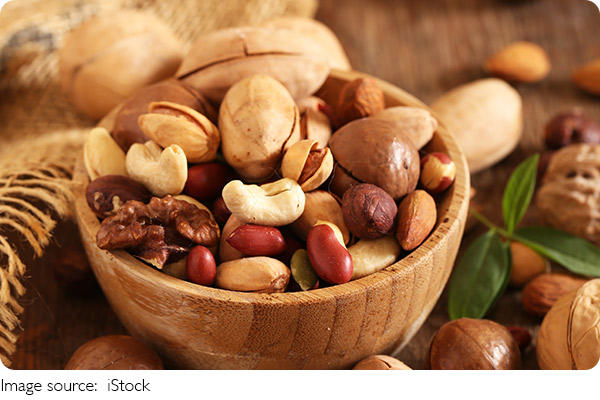
Have you ever reached the bottom of a chip bag and wondered how it happened so fast? It's a moment most of us know too well—snacking without really tasting. Mindful snacking flips that habit around.
It's not about giving up your favorite foods, but about enjoying them in a way that makes every bite count.
Why Mindful Snacking Matters?
Snacking isn't the enemy of healthy eating. In fact, snacks can keep energy steady and prevent overeating at mealtime. The problem comes when eating happens on autopilot. Mindful snacking slows things down, so you notice flavors, textures, and fullness cues. That awareness makes a small portion more satisfying than a handful of distracted bites.
1. Pause Before You Grab
Mindfulness starts with a pause. Before opening that bag or box, ask yourself: am I actually hungry, or just bored or stressed? Sometimes a glass of water or a quick walk clears the craving. If you're truly hungry, then it's snack time. This simple check-in helps you avoid eating for reasons other than hunger.

2. Choose Snacks with Intention
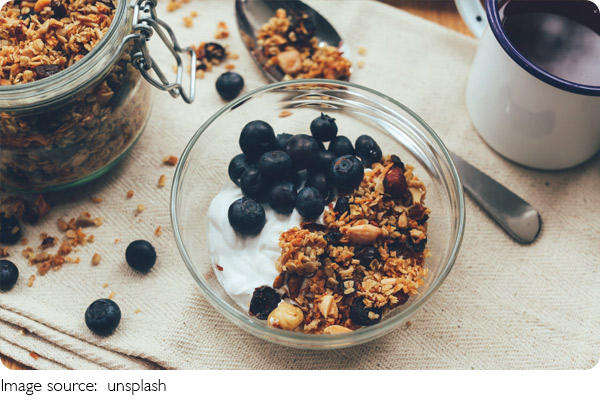
It's not about perfection, but making choices that support how you want to feel. A handful of nuts offers protein and crunch. Yogurt with fruit balances sweetness with creaminess. Veggie sticks with hummus keep you full without heaviness. The idea is to pick foods you'll enjoy that also give your body some fuel.
3. Eat Without Distractions
Phones, laptops, or TV can make snacks disappear without notice. Instead, take a few minutes to focus on eating alone. Even if it's just one granola bar, sit down and pay attention. Notice the smell, the texture, and how each bite changes as you chew. This small act shifts your brain from mindless chewing to actual enjoyment.
4. Portion Out What You Need
Eating straight from a big bag is an easy way to lose track of quantity. Instead, pour a small serving onto a plate or into a bowl. Seeing a clear portion helps your brain register how much you're eating and gives you a natural stopping point. You'll likely feel satisfied with less than you expect. According to Dr. Brian Wansink, PhD, eating directly from large bags often leads to consuming more than intended. Pouring a measured portion onto a plate or bowl gives your brain a clear visual cue, helping you feel satisfied with less food.
5. Slow Down and Savor
Your stomach needs about 20 minutes to send “I'm full” signals to your brain. By chewing slowly, you give your body a chance to catch up. Try putting down your snack between bites or taking a sip of water. You'll not only feel fuller sooner, but you'll also notice subtleties in taste that usually go unnoticed.
6. Balance Treats with Nourishment
Mindful snacking doesn't mean cutting out cookies or chips. It means balancing them with foods that make you feel good afterward. Pair a cookie with a cup of milk, or chips with fresh salsa. Adding even a little balance makes indulgent snacks more satisfying and less likely to trigger overindulgence.
7. Notice How Snacks Make You Feel
The final step is reflection. After finishing, ask yourself: how do I feel? Energized, sluggish, still hungry, or perfectly satisfied? Over time, these reflections guide you toward snacks that truly work for your body. That awareness becomes a feedback loop—helping you make better choices naturally, without strict rules.
Eating less but enjoying more sounds almost too simple, but it's a mindset shift that makes all the difference. When you snack with awareness, a small handful can feel like a treat, and you stop chasing the bottom of the bag. Next time hunger strikes, slow down, choose with intention, and give your food your full attention. You may find that a mindful bite is worth more than a mindless mouthful.