Why We Crave Snacks

Elena Rossi
| 12-12-2025
 · Cate team
It's late at night, and suddenly you can't stop thinking about a bag of chips or a bar of chocolate.
You're not truly hungry, but the craving feels impossible to ignore. Why do certain snacks call to us so strongly, while others don't even cross our minds? The answer lies in psychology, biology, and a little bit of habit.
Snacks and the Brain's Reward System
Cravings are not random. When you eat something salty or sweet, your brain releases dopamine, a chemical tied to pleasure and reward. Over time, your brain remembers this connection, creating a loop: the more you eat, the more you associate that snack with comfort. This explains why stress often drives people toward cookies, chips, or ice cream—they've become linked with relief.
1. Emotional Triggers
Snacks often serve as emotional band-aids. Stress, loneliness, or even boredom can spark a desire for familiar foods. Sweet snacks may feel comforting because sugar provides a quick mood lift. Crunchy or salty foods, on the other hand, can help release tension physically—there's something satisfying about the act of biting down hard when you're frustrated. According to Dr. Susan Albers, PsyD, a clinical psychologist specializing in eating behaviors, emotional triggers such as stress, boredom, or loneliness often prompt cravings for “comfort foods” like sweets or salty snacks.
2. Texture and Mouthfeel
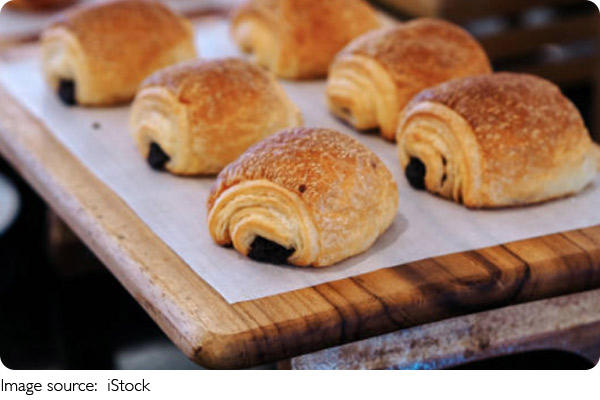
The way a food feels in your mouth matters as much as its flavor. Think of the creamy smoothness of chocolate or the crisp snap of potato chips. Scientists call this “mouthfeel,” and it's one of the strongest drivers of cravings. The brain loves variety, so a balance of textures—smooth and crunchy, chewy and crisp—can make snacks irresistible.
3. Memory and Nostalgia
Sometimes cravings aren't about the snack itself but the memory tied to it. Maybe it's popcorn reminding you of movie nights, or a cookie that tastes like your grandmother's kitchen. These associations are powerful because they connect food with moments of warmth and belonging. That's why certain snacks feel almost impossible to replace—they carry emotional weight beyond flavor.
4. Marketing and Environment
Cravings can also be triggered by cues around you. Seeing an ad, smelling fresh popcorn at the theater, or simply walking past a bakery can awaken desire. These signals activate brain pathways linked to anticipation, making you want the snack before you even taste it. That's why cravings can feel sudden and overwhelming—they're often sparked by external reminders rather than hunger.
How to Manage Cravings Without Guilt?
Understanding cravings doesn't mean avoiding snacks altogether. It means responding with awareness instead of impulse. Here are three strategies:
1. Pause and check in: Ask yourself if you're truly hungry, or if the craving is tied to emotion or environment.
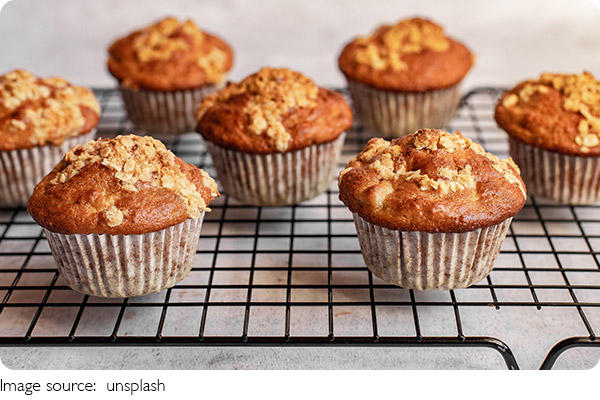
2. Find balance: If you want chocolate, try pairing a small piece with fruit or nuts to satisfy both taste and fullness.
3. Shift your environment: Keeping tempting snacks out of sight reduces impulsive eating. Out of sight often means out of mind.
Reframing the Craving
Cravings are not a sign of weakness—they're a sign your body and brain are communicating. Sometimes it's about needing quick energy, sometimes it's comfort, and sometimes it's habit. By slowing down and noticing the “why” behind the craving, you can decide whether to respect it, redirect it, or simply savor a smaller amount.
At the end of the day, snacks are meant to be enjoyed, not feared. The next time a craving hits, treat it as a chance to listen to your body rather than fight against it. You may find that once you understand where the urge comes from, it loses its grip—and that small bite becomes far more satisfying than a mindless binge.