Age-Defying Foods

Mason O'Donnell
| 15-12-2025
 · Cate team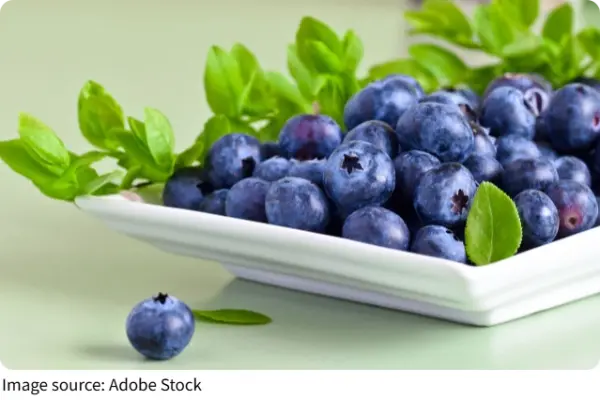
You've probably heard plenty about "anti-aging" creams and supplements, but what if the most effective defense against aging isn't in a bottle? It's on your plate. The foods you choose every day can play a powerful role in slowing down the aging process at a cellular level.
But instead of vague advice, let's focus on one superstar food that science increasingly backs as a true age-defier: blueberries. Why blueberries? Because their antioxidants and unique compounds target the very mechanisms that cause aging and wear down the body.
This deep dive will help you understand exactly how this simple fruit could be a game changer for your longevity.
Blueberries: Nature's Anti-Aging Powerhouse
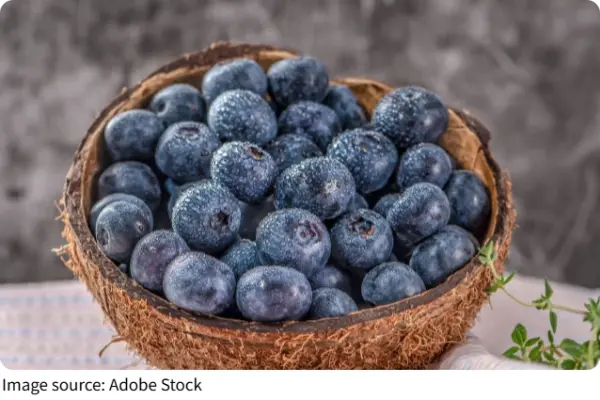
Blueberries contain some of the highest levels of antioxidants among fruits, particularly anthocyanins — the pigments that give them their vibrant blue color. Antioxidants protect your cells from oxidative stress, which is a major cause of aging and chronic disease. Oxidative stress damages DNA, proteins, and olis, leading to wrinkles, cognitive decline, and weakened immunity.
• Reduce inflammation: Chronic inflammation accelerates aging, and blueberries have been shown to significantly reduce inflammatory markers in the body.
• Protect brain health: Studies suggest that regular blueberry consumption improves memory and cognitive function by reducing oxidative damage in brain cells.
• Support heart health: Blueberries help lower blood pressure and improve arterial flexibility, reducing risks associated with aging hearts.
How to Incorporate Blueberries for Maximum Benefit?
Eating blueberries regularly is simple, but the way you consume them can impact their effectiveness.
1. Fresh or frozen works best: Blueberries retain most of their antioxidant power whether fresh or frozen. Avoid blueberry juices with added sugars as they lack the full benefits.
2. Pair with healthy oils: Antioxidants are better absorbed with some oil, so add a handful to yogurt, oatmeal, or a smoothie with nuts or seeds.
3. Daily servings matter: Aim for about 1/2 to 1 cup daily, a quantity used in many clinical studies showing positive results.
Scientific Insights Backing Blueberry Benefits
A landmark study published in the journal Nutrients in 2019 analyzed multiple clinical trials and concluded that blueberries "exert neuroprotective, anti-inflammatory, and cardioprotective effects" that can delay signs of aging.
According to the Harvard T.H. Chan School of Public Health, foods rich in flavonoids — including blueberries — are linked with markers of healthier aging in large population studies, and research suggests their antioxidant compounds may support cellular health and reduce oxidative stress.
Why Blueberries Stand Out Among Anti-Aging Foods?
While many foods boast anti-aging properties, blueberries combine potency with convenience. Unlike supplements, they offer a natural, whole-food source of protective compounds that work synergistically. Plus, their low calorie content means they fit easily into any diet without the risk of weight gain.
Other foods like leafy greens or nuts also support healthy aging, but blueberries have one advantage: a rich profile of anthocyanins not found elsewhere in such high concentrations.
Final Thoughts: Aging Gracefully Starts on Your Plate
Instead of chasing quick fixes, think of aging as a process you can influence daily. Including blueberries in your diet isn't a magic solution, but it's a scientifically supported step that helps your body fight oxidative stress, reduce inflammation, and maintain vitality. How often do you eat blueberries now? Maybe it's time to make them a regular part of your anti-aging strategy and enjoy the delicious benefits along the way.
Have you tried adding blueberries to your daily meals? What other foods do you think help you stay vibrant and healthy? Sharing small but powerful habits can inspire us all to age smarter and stronger.