Four Foods, One Week

Mukesh Kumar
| 01-12-2025
 · Cate team
Have you ever noticed how complicated healthy eating feels when trying to maintain your weight? It often seems like you need to overhaul your entire diet or give up your favorite foods.
But what if focusing on just a handful of powerful, everyday ingredients could make weight management easier and more natural? This week, let's explore four specific foods that can gently support your body in staying balanced and energized without the pressure of strict dieting.
The Power of Protein: Why Lean Sources Matter?
Protein often gets attention for weight loss, but it's equally vital for maintaining a healthy weight. It helps build and repair muscle, boosts metabolism, and most importantly, increases feelings of fullness after meals.
Choosing lean protein sources helps avoid excess saturated oil, which can interfere with your body's metabolism and lead to weight gain. Examples include skinless chicken fillet, and fish like salmon or cod. These proteins provide essential amino acids and support your energy levels throughout the day.
Research published in the American Journal of Clinical Nutrition highlights that higher protein intake is linked to better weight maintenance, partly because protein preserves lean muscle mass during calorie restriction.
Fiber-Rich Vegetables: The Unsung Heroes
Vegetables rich in fiber are crucial for digestion and feeling full without extra calories. Fiber slows digestion, stabilizes blood sugar, and feeds the healthy bacteria in your gut, all of which contribute to a balanced metabolism.
Broccoli, spinach, and Brussels sprouts are excellent examples. They are low in calories but high in volume, meaning you can eat satisfying portions without worrying about excess calorie intake.
Fiber also promotes regular bowel movements, helping the body efficiently process and remove waste, which is important for overall health and weight maintenance.
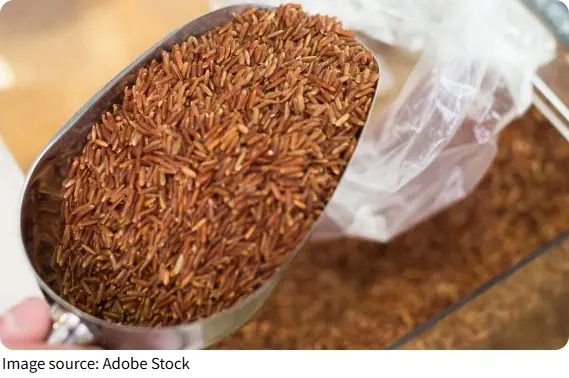
Whole Grains for Steady Energy
While some diets cut out carbs completely, whole grains offer a different story. Unlike refined grains, whole grains digest slowly and help maintain steady blood sugar levels, preventing energy crashes that often lead to overeating.
Examples such as quinoa, brown rice, and whole oats provide complex carbohydrates and a host of nutrients like B vitamins and magnesium that support metabolic function.
Studies show that people who include whole grains in their diets tend to have lower body oil and better weight management compared to those who rely on refined carbohydrates.
Healthy oils: Not All Oils Are Equal
Incorporating healthy oils is essential, not only for satiety but also for hormone regulation, which plays a big role in weight control. Avocados, nuts, and olive oil are rich in monounsaturated oils that help reduce inflammation and support heart health.
These oils also slow digestion and increase feelings of fullness, helping curb overeating. For example, eating a small handful of almonds as a snack can reduce hunger for hours.
According to Dariush Mozaffarian (Tufts University), consuming “healthy oils” from sources such as olive oil, nuts and seeds — rather than focusing solely on reducing lipids overall — can support metabolic health and satiety, while the health impact depends more on lipid quality than just quantity.

Hydrating with Purpose: Water and Weight Management
Though not a food, water deserves a spot in this list because proper hydration influences how your body processes nutrients and controls hunger.
Sometimes, thirst can be mistaken for hunger, causing unnecessary snacking. Drinking water before meals can reduce calorie intake and promote feelings of fullness.
According to the Mayo Clinic, consuming a glass of water roughly 30 minutes before a meal can help curb appetite and aid digestion, making it a simple strategy to support healthy eating habits.
So, rather than overwhelming yourself with countless diet rules or trendy superfoods, focus on incorporating these four foods into your meals this week. They work together to support your metabolism, control hunger, and maintain steady energy — all key to keeping your weight healthy without stress.
Which of these four will you add more of to your shopping list? Small, consistent changes like these often lead to the most lasting results. Your body—and your future self—will thank you.