Smart Low-Cal Foods

Chris Isidore
| 01-12-2025
 · Cate team
Have you ever felt stuck trying to lose weight, eating less but not seeing the results you want? It's a common struggle, and one of the reasons often comes down to the quality, not just the quantity, of the foods we choose.
What if you could eat foods that fill you up, boost your nutrition, and still keep calories low? Let's dig into how focusing on specific low-calorie, high-nutrition foods can make your weight loss journey both easier and healthier.
Understanding the Power of Nutrient Density
When people think of dieting, they usually focus on cutting calories. But what really matters is nutrient density — the amount of vitamins, minerals, fiber, and beneficial compounds packed into each calorie you eat. Foods that are low in calories but high in nutrients help your body stay energized, maintain muscle, and support metabolism, all crucial for sustainable weight loss.
High nutrient density = more nourishment with fewer calories
For example, a bowl of spinach or broccoli might have only 30 calories but is bursting with vitamins A, C, K, and fiber. On the other hand, a similar calorie count from sugary snacks provides almost no nutritional value and leaves you hungry soon after.
Focus on Fiber: Your Best Ally for Satiety
One key feature of many low-calorie, nutrient-rich foods is fiber. Fiber slows digestion, making you feel full longer, which helps reduce overeating. Experts recommend getting at least 25-30 grams of fiber daily for weight management and digestive health.
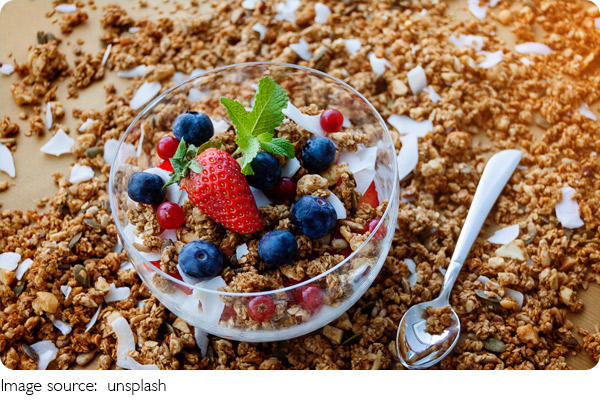
Vegetables like Brussels sprouts, kale, and carrots are excellent fiber sources. Whole fruits such as berries, apples, and pears also provide fiber plus natural antioxidants.
According to the American Dietetic Association, a higher intake of dietary fiber — especially from foods like whole grains, vegetables and fruits — often leads to greater feelings of fullness and reduced hunger after meals; similarly, nutrition researcher Raylene Reimer notes that people who regularly consume sufficient fiber tend to maintain a slightly lower body weight over time, suggesting fiber can help regulate appetite and support weight management.
Protein Matters: Keep Your Metabolism Moving
Many people underestimate the role of protein in weight loss. Protein is not just for bodybuilders — it supports muscle maintenance, which is essential because muscle burns more calories at rest than oli. Plus, protein takes longer to digest, keeping hunger away.
Low-calorie, high-protein foods to include:
1. Skinless poultry fillets
2. Legumes like lentils and chickpeas
3. Low-oil Greek yogurt or cottage cheese
These foods not only provide protein but often come with minimal added oil or sugar. Including them regularly can improve body composition and reduce cravings for high-calorie snacks.
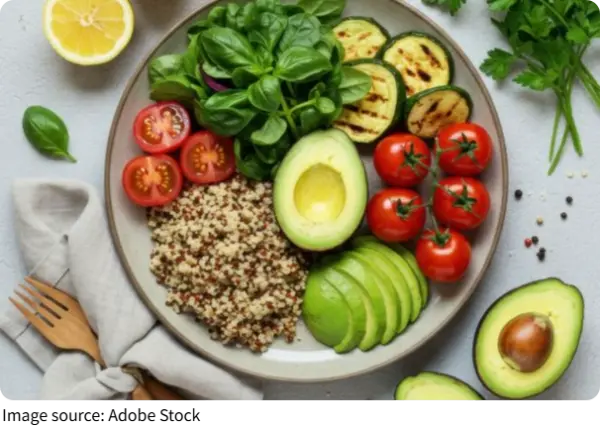
According to Dr. Dariush Mozaffarian, cardiologist and dean of the Friedman School of Nutrition Science and Policy at Tufts University, consuming healthy fats from sources like avocados, nuts, and seeds can support hormone balance, reduce inflammation, and promote satiety, but attention to portion sizes is important because fats are calorie-dense.
Hydration and Low-Calorie Foods
Many low-calorie, nutrient-rich foods have high water content. Think cucumbers, zucchini, and watermelon. These foods hydrate you and add volume to your meals without many calories. Staying well-hydrated supports metabolism and digestion, key components of any weight management plan.
Putting It All Together: A Sample Day
To bring these ideas to life, here's a simple outline of a day filled with smart, low-calorie, nutrient-rich foods:
• Breakfast: Greek yogurt topped with fresh berries and a sprinkle of chia seeds
• Lunch: Large mixed green salad with grilled chicken fillet, avocado slices, and lemon vinaigrette
• Snack: Sliced carrots and celery with hummus
• Dinner: Stir-fried vegetables like broccoli and snap peas with tofu or lentils
This meal plan balances fiber, protein, healthy oils, and hydration—all while keeping calories controlled and nutrition high.
If you're ready to rethink dieting, consider shifting your focus from just eating less to eating better. What low-calorie, nutrient-packed food could you add to your next meal? Experiment with just one new food this week and notice how it impacts your energy, hunger, and satisfaction. Small changes can lead to lasting results.
By prioritizing nutrient-dense foods, you don't have to feel deprived, and your body will thank you with better health and steady progress toward your weight goals. Why not start today?