Perfect Vegetable Stir-Fries

Elena Rossi
| 15-12-2025
 · Cate team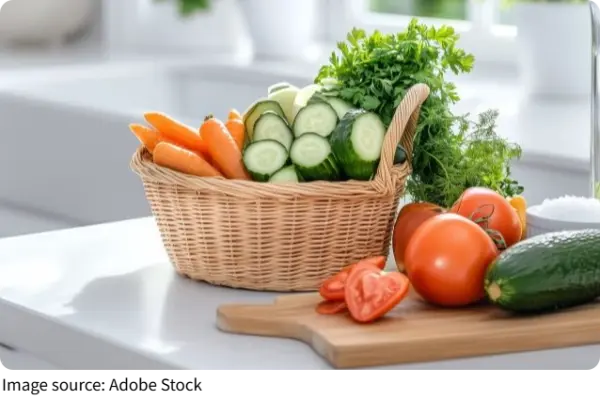
There's nothing quite like a vibrant vegetable stir-fry to bring fresh flavors and textures to your plate.
Whether you're looking for a quick dinner, a nutritious side, or a versatile dish that can be customized to any diet, stir-frying vegetables is a fantastic choice. With a bit of technique and the right ingredients, you can elevate your veggie game in no time.
Choosing the Right Vegetables
The beauty of vegetable stir-fries is their versatility. You can use virtually any vegetable, but the key to a successful stir-fry lies in selecting the right ones that complement each other in both flavor and texture.
Here are some vegetables that work well in stir-fries:
1. Bell Peppers – They add color and crunch, making them a perfect base for any stir-fry.
2. Carrots – Thinly sliced, they cook quickly and provide a subtle sweetness.
3. Broccoli – A great choice for adding bulk and nutrients, with a slight bite when cooked properly.
4. Snap Peas – Their mild sweetness and crisp texture make them an excellent stir-fry addition.
5. Mushrooms – These absorb flavors beautifully and provide an earthy, savory depth.
Pro Tip: Aim for a variety of colors in your stir-fry. This not only makes the dish visually appealing but also ensures a good range of nutrients.
Preparing the Vegetables
A key step to a successful stir-fry is prep work. While stir-frying is a quick cooking method, having all your vegetables prepped and ready will make the process flow smoothly.
1. Cut vegetables uniformly – This ensures they cook evenly. For instance, slice carrots into thin matchsticks, chop bell peppers into strips, and break broccoli into bite-sized florets.
2. Use fresh vegetables – Fresher vegetables retain their crunch and flavor. If you're using frozen veggies, be sure to thaw them completely to avoid extra moisture in your stir-fry.
3. Separate harder and softer vegetables – Some vegetables cook faster than others. For instance, carrots and broccoli need a little longer to cook than bell peppers or mushrooms.
Pro Tip: Keep your prep simple. Having a clean, organized workspace with all your ingredients ready to go makes the cooking process much easier.
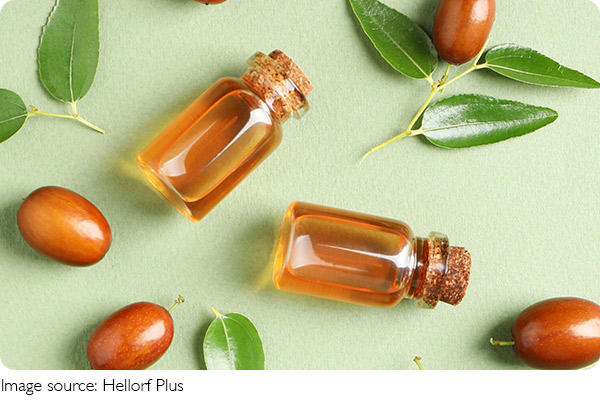
Choosing the Right Oil
The type of oil you use can greatly influence the final taste of your stir-fry. Choose an oil that can handle high heat and adds flavor without overpowering the vegetables.
1. Vegetable Oil – A neutral oil with a high burning point, great for stir-frying.
2. Sesame Oil – Adds a lovely nutty flavor, but be sure to use it sparingly. It's best for drizzling at the end rather than cooking with it.
3. Peanut Oil – Another oil with a high burning point, perfect for stir-fries and it gives a slightly nutty flavor.
Pro Tip: Use a high-heat oil for the stir-frying process, then drizzle some sesame oil at the end to add flavor.
The Stir-Frying Process
Stir-frying is all about quick, high-heat cooking, which allows vegetables to retain their crispness while absorbing the flavors of the sauce. Here's how to stir-fry like a pro:
1. Heat the pan – Use a wok or large frying pan. Let the pan heat up on medium-high to high heat before adding oil.
2. Add oil – Once the pan is hot, add your oil, swirling it around to coat the surface.
3. Cook in batches – Don't overcrowd the pan. If you add too many vegetables at once, they'll steam rather than fry, losing their texture. Start with harder vegetables like carrots or broccoli, and add the softer ones like bell peppers and mushrooms later.
4. Stir constantly – Keep the veggies moving in the pan. This prevents burning and ensures even cooking.
Pro Tip: The cooking time for stir-fry is short—usually just 3-5 minutes, depending on the size and type of vegetables. Keep an eye on them so they don't overcook.
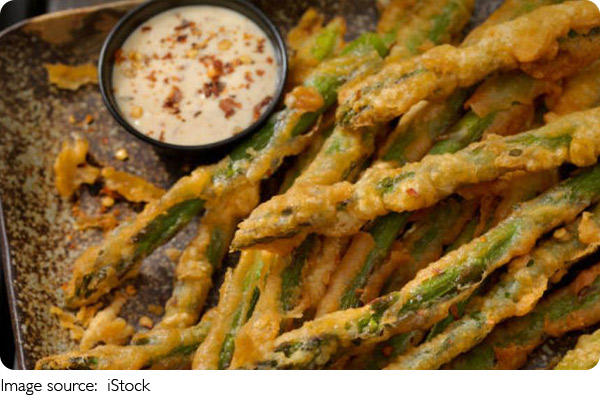
Adding Flavor to Your Stir-Fry
A stir-fry isn't complete without a flavorful sauce to tie everything together. A simple stir-fry sauce can elevate your dish and bring everything together. Here's a quick and easy stir-fry sauce recipe:
1. Soy Sauce – Adds depth and saltiness.
2. Garlic – Minced garlic brings in aromatic flavor.
3. Ginger – Fresh ginger provides a zingy kick.
4. Rice Vinegar – Adds tanginess to balance the savory and sweet flavors.
5. Honey or Sugar – A touch of sweetness to round out the sauce.
Pro Tip: You can make your stir-fry sauce in advance and store it in the fridge. This saves you time during the actual cooking process. Simply pour it over the vegetables toward the end of cooking, allowing the sauce to coat the veggies evenly.
Serving and Enjoying Your Stir-Fry
Once your stir-fry is cooked, it's time to enjoy! Stir-fries are incredibly versatile and can be served with a variety of sides.
1. Serve over rice – Plain white rice or brown rice are both great choices. The rice soaks up the sauce, making each bite more flavorful.
2. Pair with noodles – For a heartier dish, serve your stir-fry over noodles, whether they're rice noodles or egg noodles.
3. Enjoy on its own – A stir-fry can also stand alone as a light, healthy meal.
Pro Tip: Garnish your stir-fry with sesame seeds, fresh herbs, or a squeeze of lime to add extra flair and flavor.
Conclusion: Master the Art of Stir-Frying
Making a vegetable stir-fry is easy once you have the right ingredients and techniques in place. By choosing fresh, colorful vegetables, using the right oil, and adding a flavorful sauce, you can create a dish that's both healthy and delicious. So next time you're in the mood for something quick, nutritious, and full of flavor, whip up a vegetable stir-fry. With just a few steps, you'll have a colorful and satisfying meal that everyone will love!