Steaming Health Benefits

Ethan Sullivan
| 08-12-2025
 · Cate team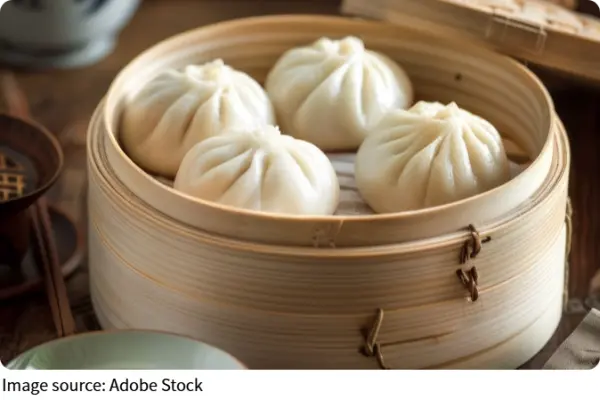
When we talk about healthy eating, we often focus on what we choose to eat — fresh vegetables, balanced meals, and nutritious ingredients. But have we ever wondered whether our cooking method matters just as much?
Many of us have heard people say, “Steaming is healthier,” but is it really true? Today, we explore this question together and uncover what science and daily experience tell us. By understanding the differences between common cooking methods, we can make smarter choices that support our long-term well-being.
How Steaming Works?
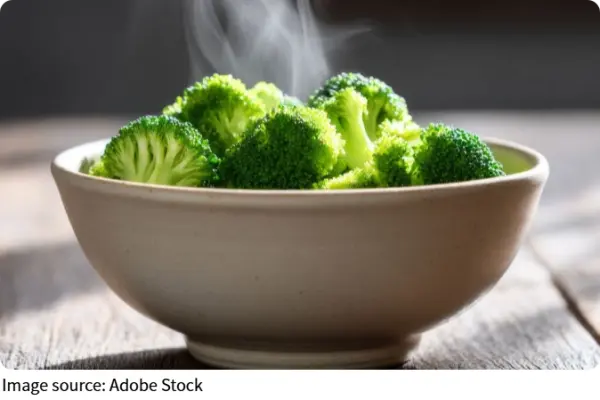
Steaming is a simple method that uses hot vapor to heat food gently. Because the temperature stays moderate and stable, food cooks evenly without direct contact with intense heat. This means nutrients such as vitamins and minerals are better preserved compared with high-temperature methods. When we steam vegetables, for example, their natural colors, texture, and nutrients remain closer to their original state. This gentle environment helps keep the food light, fresh, and easy for our body to process.
Nutrient Retention: A Big Advantage
One major reason steaming is praised is its ability to keep nutrients intact. High-heat cooking can break down sensitive vitamins, especially vitamin C and some B vitamins. Steaming, however, reduces this loss because it avoids direct contact with hot metal surfaces or very high temperatures. Studies suggest that steamed food often contains more antioxidants and beneficial substances compared with grilled or pan-heated dishes. For those of us who want meals that are both nutritious and tasty, steaming provides a strong advantage.
According to the World Cancer Research Fund, steaming vegetables is among the healthiest cooking methods because it preserves more of their nutrients, color and texture by minimizing water contact. Similarly, the Harvard T.H. Chan School of Public Health highlights that gentle cooking methods such as steaming or microwaving help retain water‑soluble vitamins, antioxidants, and other beneficial compounds that are often lost during boiling or high‑heat cooking.
Less Oil, Lighter Meals
Another key benefit of steaming is that it does not require added oil. Many daily cooking styles rely on oil to prevent sticking or to enhance flavor. This can increase the energy content of meals without us noticing. Steaming lets us enjoy the natural taste of ingredients like fish, greens, rice, and tofu without adding extra heaviness. It’s an ideal choice for those who prefer meals that feel clean and balanced. We can always pair steamed dishes with fresh herbs, citrus, or a light seasoning to bring out more flavor.
Comparing Steaming with High-Heat Methods
While grilled or seared dishes are aromatic and appealing, they often involve stronger heat, which can trigger the formation of less friendly compounds. These substances build up when food is exposed to intense, dry heat. Meanwhile, steaming avoids these reactions because moisture keeps the temperature controlled. This makes steaming a more comfortable option for our heart and breathing system. It also lowers the amount of fumes released into the kitchen, helping the air stay cleaner while we cook.
Impact on Our Home Environment
Our cooking method doesn’t just affect our meals — it affects the air in our home as well. High-temperature oil cooking can release small airborne particles that stay in the kitchen for a long time. These particles may cause discomfort, especially for people who cook frequently. Steaming produces almost no fumes, making it a friendlier choice for indoor air. When we steam food, our kitchen stays clearer, and the cooking experience feels more relaxed and refreshing.

Does Steaming Work for All Foods?
Of course, steaming isn’t the only method we should use. Some ingredients shine with gentle heat, while others taste better when lightly stir-fried or simmered. The key is finding balance. Steaming is perfect for vegetables, seafood, poultry pieces, dumplings, and even desserts like soft cakes. For ingredients that need browning or stronger aroma, other methods may work better. Instead of choosing one method forever, we can match the technique to the food — and make steaming a regular part of our routine.
Practical Tips for Better Steaming
If we want to get the most out of steaming, a few simple habits help a lot. First, avoid overcrowding the steamer so air can circulate evenly. Second, cut ingredients into similar sizes to make cooking times more consistent. Third, add herbs, ginger slices, or citrus peels to the water to give the steam a subtle aroma. These small steps make steamed dishes tastier and even more enjoyable.
Final Thoughts
So, Lykkers, is steaming really healthier than other cooking methods? In many ways, yes — it protects nutrients, avoids excessive heat reactions, keeps meals lighter, and makes our home environment cleaner. While it may not replace all our favorite techniques, it deserves a big place in our kitchen. By using steaming more often, we can enjoy fresh flavors while supporting our daily well-being. Let’s explore new steaming recipes together and make thoughtful cooking choices that help us stay energized and balanced every day.