Guitar or Violin First?

Malcolm
| 09-10-2026
 · Lifestyle team
Hello, readers. Picking a first instrument is exciting, but choosing between guitar and violin can feel surprisingly difficult. Both produce beautiful music, both appear in nearly every genre, and both have passionate communities of players worldwide. Yet they feel completely different in your hands, and each one asks for a distinct set of skills from the very beginning.
Understanding the real differences, not just the sound, but the learning curve, the physical feel, and the practical side of owning each instrument can help you make a confident choice instead of guessing and hoping for the best.

How They Feel in Your Hands
The guitar sits across your lap or hangs from a strap, and your fingers press metal or nylon strings against raised frets. Those frets act as guides, making it easier to land on the correct note even in the early weeks. Beginners often feel soreness on their fingertips until calluses develop, which typically takes a few weeks of regular practice.
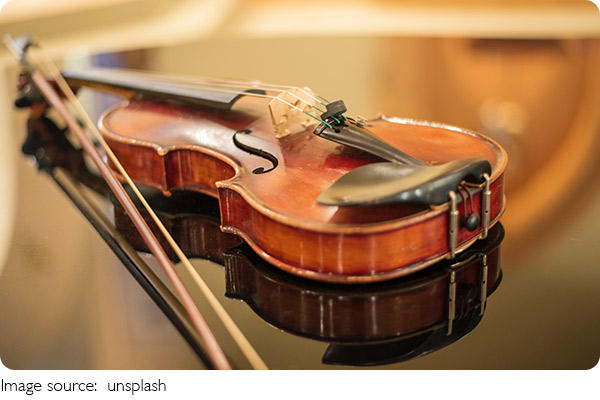
The violin rests between the chin and shoulder while the opposite hand controls the bow. There are no frets, which means every note depends entirely on precise finger placement. Even a small shift produces a noticeably different pitch. This makes the early weeks more challenging for ear training, but it also develops a strong sense of pitch that benefits musicians for life. The bow itself requires a steady, controlled arm movement that takes time to feel natural.
The Early Learning Curve
Most guitar beginners can strum a few recognizable chords within the first month. Simple songs become playable relatively quickly, which keeps motivation high during the early stage. The challenge grows as players move into barre chords, fingerpicking patterns, and more complex rhythms, but the early reward of playing familiar songs is a genuine advantage.
Violin beginners typically spend more time on fundamentals before their playing starts to sound musical. Producing a clean, pleasant tone with the bow requires patience, and intonation without frets demands careful listening from the start. However, players who push through the initial difficulty often develop stronger musical foundations earlier. Neither path is better; they simply front-load different skills.
Versatility and Musical Styles
The guitar is famously versatile. An acoustic guitar fits comfortably into folk, pop, country, classical, and fingerstyle traditions. Electric guitar opens the door to rock, jazz, and countless modern genres. It also works as both a solo and accompaniment instrument, which means guitarists can sing along, join bands, or perform alone with equal ease.
The violin carries its own impressive range. It anchors classical orchestras and chamber groups, but it also appears prominently in folk, Celtic, country, and contemporary crossover music. In many traditions around the world, the violin, or fiddle as it is called in folk settings, remains one of the most expressive solo instruments. Players who enjoy melody-driven music often find the violin deeply satisfying once their technique develops.
Practical Considerations
A decent beginner acoustic guitar is generally affordable and widely available. Guitars require occasional string changes and minimal maintenance, and they do not need any additional equipment to produce sound. Storage is straightforward, and the instrument travels easily in a padded gig bag.
Beginner violins are available at similar price points, though the total setup includes the bow, rosin, and a case. Violins are smaller and lighter, making them easy to carry, but they benefit from occasional professional adjustments to the bridge, strings, and bow hair. Many music shops offer rental programs for violins, allowing beginners to try the instrument before committing to a purchase.
Volume is worth considering as well. An acoustic guitar at moderate volume is generally comfortable for shared living spaces. A violin in the early learning stages can be more piercing, which may require scheduling practice times thoughtfully or using a practice mute to reduce the sound.
Final Thoughts
There is no wrong choice between guitar and violin. The guitar offers quicker early rewards and a wide range of playing styles, while the violin builds deep musical instincts and offers unmatched expressive power for melody. The best instrument for you is the one whose sound genuinely excites you, because that excitement is what carries you through the challenging weeks when progress feels slow.